
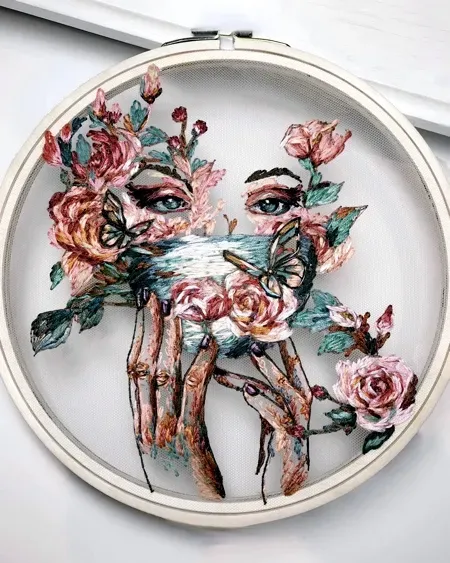
3D embroidered artwork invites us to move beyond flat fabric into a realm of texture, depth, and tactile storytelling. This craft blends traditional hand-stitching with modern design philosophies, turning a simple sketch into a sculptural textile piece, and it rewards curious makers with material and light–responsive surfaces. In this guide, we’ll walk through the journey from sketch to stitch, exploring how to plan, digitize, and execute a piece that pops from the fabric, with emphasis on the embroidery design process. You’ll see how 3D embroidery techniques—padding, layering, and sculpted stitches—work with stabilizers and threads to build height and shadow. By embracing digital embroidery design concepts and a structured workflow—and exploring 3D embroidery patterns—beginners can produce textured embroidery art that feels alive and expressive.
Viewed as three-dimensional textile sculpture, these works invite light, shadow, and touch to join the narrative. Raised stitching and padding morph fabric into vivid reliefs, with each layer adding form, texture, and momentum to the composition. From concept sketches to digitized plans, the embroidery design process becomes a tactile map that guides thread selection and stitch direction. Diverse styles explore texture, color interaction, and material mix, using padding, couching, and sculpted stitches to create convincing dimensional effects.
From Sketch to Surface: Mastering the Embroidery Design Process for 3D Art
The journey begins with a clear concept and a strong sketch that communicates shape, proportion, and focal points. In the embroidery design process, this stage guides both the technical decisions and the overall aesthetic for 3D art. Planning for relief and height helps set up a coherent path from flat idea to raised form, while considering how 3D embroidery patterns will interact with fabric and light.
Translating sketch to stitch plan involves selecting stitch types, densities, and directions. During digitizing or manual planning, map lines into stitch blocks, elevation cues, and underlay to support height. This phase bridges conceptual design with practical execution in digital embroidery design and 3D embroidery patterns.
3D Embroidery Techniques: Padding, Layering, and Sculpted Stitches
3D embroidery techniques such as padding, layering, and sculpted stitches create the core of dimensional fabric art. By building up height incrementally, you can sculpt petals, fur, or geometric forms, giving texture and volume to the piece and enhancing the tactile experience.
Balancing texture across a composition requires thoughtful choice of stitch textures—satin, backstitch, couching, French knots—and composition that guides the viewer’s eye. The same techniques support cohesiveness in textured embroidery art while enabling rich, multi-layered surfaces that read as sculpture rather than flat decoration.
Digital Tools in Action: Digitizing for 3D Embroidery Patterns
Digital tools enable a precise translation of concept into stitch blocks. In digital embroidery design workflows, vector shapes are converted into stitch patterns, with density, pull compensation, and color stops planned before stitching begins. This planning lays a solid foundation for complex 3D embroidery patterns and reliable execution.
Using digitizing software to plan direction fields and elevations helps ensure consistent height and balance across the piece. Even hand-drawn plans can benefit from a digital mindset to map stitch blocks, enabling repeatable results in 3D embroidery patterns and beyond, while keeping the project aligned with the original concept.
Choosing Materials and Stabilizers for High-Relief 3D Projects
Material choices dramatically influence the outcome of high-relief embroidery. Heavier fabrics and robust stabilizers help maintain structural integrity for raised sections, while lighter fabrics benefit from gentler backing to avoid puckering as height increases. Thoughtful material selection sets the stage for durable, sculptural forms.
Thread choice matters—from cotton and silk to metallic and rayon—each bringing a distinct shine, body, and interaction with light. When building up height, consider using multiple thread weights or core-spun threads to achieve natural-looking depth, ensuring the finished piece reads as a deliberate 3D form rather than a flat motif.
Color, Light, and Perception: Shaping Depth in Textured Embroidery Art
Color choices influence perceived depth almost as much as stitch height. Cool colors tend to recede while warm colors advance, enabling you to sculpt space by assigning color temperature to different zones. In textured embroidery art, experimenting with color gradients across layers can dramatically alter how depth is perceived.
Metallic threads or color-shifting yarns catch light differently as the viewer moves, enhancing the 3D illusion. Planning color transitions in advance helps ensure a cohesive palette that reinforces form, guiding the eye along raised contours rather than creating abrupt distractions.
From Concept to Display: Presenting Your 3D Embroidered Artwork to the World
A successful 3D embroidered artwork benefits from thoughtful lighting and presentation. Side lighting emphasizes elevation, while studio photography with soft, even illumination reveals texture, stitch direction, and layering. Proper lighting makes the dimensional qualities legible even in two-dimensional media.
When displaying or selling work, include close-ups that highlight padding, layering, and color transitions. Proper blocking, mounting, and a considered display context help preserve the dimensional structure and communicate the craftsmanship behind the piece, turning a tactile study into a compelling visual narrative.
Frequently Asked Questions
What is a 3D embroidered artwork and how do 3D embroidery techniques create texture and depth in it?
A 3D embroidered artwork is fabric sculpture that uses 3D embroidery techniques—such as padding, layering, and sculpted stitches—to create raised forms and dimensional texture. This approach moves beyond flat surface stitching to produce height, light-catching surfaces, and tactile detail that define textured embroidery art.
What are the key steps in the embroidery design process for a 3D embroidered artwork from sketch to stitch?
The process starts with a clear concept sketch, then moves to digitizing or transferring the design into a stitch plan. Next you map elevation, choose stitch types and densities, select materials and stabilizers, and finally execute with layering to build depth. Using digital embroidery design tools alongside handwork helps maintain consistency and precision throughout the embroidery design process.
Which 3D embroidery patterns work best for achieving high-relief forms in a 3D embroidered artwork, and how should they be planned?
Opt for patterns that allow clear elevation changes, such as floral petals, animal features, or architectural silhouettes. Plan with a focal point, strategic layering, and appropriate padding to create depth while keeping the design cohesive. The right 3D embroidery patterns guide rhythm and ensure the raised elements read well from multiple angles.
How does digital embroidery design fit into creating a 3D embroidered artwork, and what software helps with digitizing and planning?
Digital embroidery design helps translate sketches into stitch blocks, direction fields, and elevations, giving precise control over density and height. Tools like vector design packages for mapping shapes plus embroidery digitizing software for converting vectors into stitch files streamline the planning phase and improve repeatability in 3D embroidered artwork projects.
What are common challenges when making 3D embroidered artwork and what techniques address issues like puckering, layering, and durability?
Common challenges include fabric puckering, flattening of relief areas, color bleed, thread fraying, and durability under handling. Address them with appropriate stabilizers, balanced hoop tension, padding that builds height, shorter stitch lengths around curves, and reinforced seams. Employing 3D embroidery techniques thoughtfully helps maintain form and longevity in textured embroidery art.
How can I light, photograph, and present a 3D embroidered artwork to highlight its texture and depth?
Use side or raking light to emphasize elevation and shadows cast by raised elements, complemented by soft, even fill for overall clarity. Capture close-ups of padding, stitch direction, and color transitions to showcase texture, while presenting the piece in a setting that respects its dimensionality. Thoughtful lighting and presentation elevate the perception of texture in textured embroidery art.
| Key Point | Summary |
|---|---|
| Definition and goal | 3D embroidered artwork transforms traditional embroidery into dimensional, textured textile art with raised forms and sculptural silhouettes. |
| Core techniques | Padding, layering, and sculpted stitches create height; fabric choices, stabilizers, and threads support volume. |
| Design and process | Start with a sketch, then move to digital planning to map stitch paths, densities, directions, and elevations. |
| Step-by-step workflow | Concept → translate → materials → foundation → layer and shape → color and finish → block and set. |
| Materials and tools | Heavier fabrics and stabilizers for high-relief; lighter stabilizers for finer fabrics; varied threads (cotton, silk, metallic); multiple thread weights; consider core-spun threads. |
| Digitizing and planning | Digitizing converts plans into stitch blocks, direction fields, and trims; even hand-drawn plans help maintain consistency. |
| Techniques for dimension | Layering and padding; couching and raised stitches; trapunto-like padding for soft volume; use color and texture to simulate surfaces. |
| Color and light | Color temperature affects depth (cool recedes, warm advances); metallics and color-shifting threads catch light and enhance 3D illusion. |
| Digital tools synergy | Digital planning complements handwork; vector design for shapes plus embroidery digitizing software for stitch files. |
| Practical workflow | Sketch/ideation → digitize → prepare materials → foundation → layer and shape → color/finish → block/set. |
| Common challenges | Puckering, flattened relief, color bleed, thread fraying, durability concerns; fixes include stabilizer choice, adjusting stitch length, and testing on scraps. |
| Inspiration and presentation | Study artists who blend craft with sculpture; observe how they build forms, respond to fabric behavior, and use lighting to reveal texture. |
| Scaling and adaptability | Process scales from small to large; maintain cohesion through a consistent sketch-to-stitch workflow and layered texture. |
Summary
3D embroidered artwork invites you to transform a simple sketch into a tactile sculpture. By blending planning, digitizing, and hands-on stitching, it creates dimensional forms that catch light and invite touch. Embrace layering, padding, and textured stitching to build depth, and let color temperature guide perception. Start with a simple sketch, map it into a thoughtful stitch plan, and gradually reveal a living piece of fiber and color. With careful planning and experimentation, 3D embroidered artwork becomes a powerful medium for expressive, sculptural textile art.