
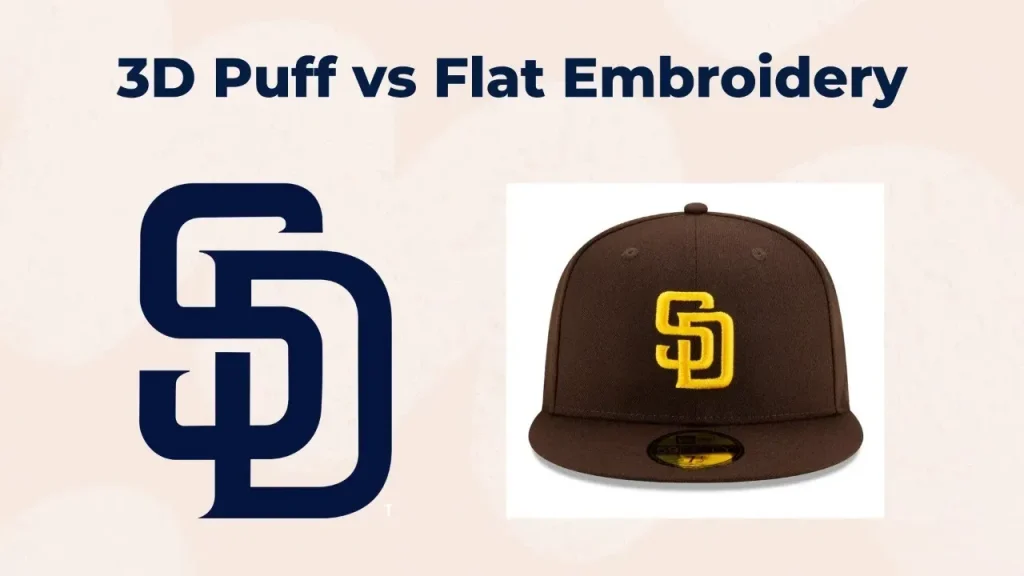
3D Embroidered Essentials sit at the intersection of craft, texture, and imagination, bringing depth to traditional stitching. This introductory guide highlights the core elements—stitches that create dimension, fabrics for 3D embroidery that support and showcase texture, and texture embroidery techniques that weave everything into a cohesive, expressive piece. Whether you’re new to 3D embroidery stitches or refining your approach, understanding stitch types for 3D embroidery, padding, and layering helps you craft pieces with depth and movement. From base stitches to decorative elements, you’ll learn how height, negative space, and careful placement collaborate to keep your work readable from every angle. By pairing the right stitches with thoughtful fabric choices and proven techniques, you’ll build pieces that read as art with a durable, professional finish.
In other words, this field combines raised-stitch techniques, layered motifs, and textured threadwork to produce tactile images on fabric. Think of it as dimensional embellishment where layers of thread create sculpture-like forms rather than flat surfaces. Artists and makers might describe it as volume-based stitching, multi-layer embroidery, or fiber sculpture that integrates with garments, home decor, or canvases. The principle remains the same: balance height with backing, control padding, and use color and texture to guide the eye.
1) The Power of Stitches: From Flat to Dimensional with 3D Embroidered Essentials
Stitches are the backbone of 3D embroidery, and the way you deploy them determines whether your work sits flat on the fabric or lifts off in vivid dimension. The 3D Embroidered Essentials revolve around base stitches that lay a foundation, padding stitches that create height, and decorative stitches that add texture and detail. Mastery comes from balancing these categories so that each element supports the next rather than competing for attention.
Padding strategies are crucial for dimensional form. Outline shapes with a sturdy backstitch or satin stitch, then fill centers with lighter, cushioned stitches to push the design upward. Techniques like padded satin stitch produce rounded, tactile forms, while French knots, bullion knots, and colonial knots offer dense focal points that mimic beads or dew drops when grouped. Couching adds subtle outlines or metallic accents, elevating texture and depth without overwhelming the piece. The broader lesson is to use a thoughtful mix of stitch types for 3D embroidery that reads well from multiple angles.
2) Fabrics for 3D Embroidery: Selecting Supporting Casts That Hold Shape
The fabric you choose acts as the stage for your raised elements. For 3D Embroidered Essentials, aim for a base that supports height without collapsing under layering. Classic cottons and linens provide stability and a smooth surface, while sturdier options like canvas or felt-backed fabrics resist distortion as padding adds height. These fabrics for 3D embroidery help your design maintain its intended silhouette even as layers accumulate.
Stabilizers are equally important. Tear-away stabilizers work well for dense stitching, while cut-away stabilizers offer ongoing support for heavier padding. For delicate garments or pieces that require a lighter touch, consider soluble stabilizers on the top layer to prevent stitches from sinking. Texture plays a role too—textured blends can add visual interest, whereas smooth fabrics like poplin or silk keep shading crisp, letting height read as a focal feature rather than a shadow.
3) Techniques to Build Depth: Layering, Padding Management, and Color Shading
Depth in 3D embroidery emerges from core techniques that structure the design in planes. Layering involves stacking motifs from a stable base to increasingly raised elements, guiding the viewer’s eye and giving the piece a sculptural feel. A well-planned sequence helps the embroidery breathe, preventing a single area from dominating the work and ensuring smooth transitions between levels.
Padding management is essential to avoid a top-heavy look or oversized bumps. Use lighter padding for delicate areas and heavier padding where a strong focal point is desired. Padding can be achieved with multiple passes of thread, tiny pieces of batting, or padding tapes. Pair this with subtle color shading to create natural transitions, letting light and shadow define contours rather than uniform color blocks.
4) Color, Texture, and Light: Elevating with Texture Embroidery and Subtle Shading
Color shading is a key tool for conveying volume. By selecting a core color and layering two to three lighter or darker shades, you can shape petals, leaves, and forms to suggest light direction and depth. Localized shading—focused at edges and folds—creates dimensionality without saturating the entire silhouette, which keeps the piece readable from a distance.
Texture embroidery thrives when you balance stitch decisions with fabric behavior. Pairing ridges from satin or long-and-short stitches with micro-dimensions from French knots or couching can simulate natural textures like fur, petals, or bark. The right combination of stitch types for 3D embroidery, applied thoughtfully across the design, yields a tactile surface that invites touch and rewards closer inspection.
5) Projects and Practice: Turning 3D Embroidered Essentials into Art
Practice projects help you translate theory into tangible results. Start with a simple motif—a single flower or leaf—with padded petals, a stitched stem, and a center of decorative knots to train your eye for height. Use a stable base fabric, set up appropriate stabilizers, and sketch a clean outline to guide your stitching. Build height gradually, adding layers of padding and a few strategic couching accents to keep the piece lively.
As you gain confidence, tackle more complex designs like small animals or geometric compositions that use stacked layers and mixed stitches for texture. Consider combining fabrics to emphasize different sections—linen for the base, felt for raised elements, and smooth cotton for delicate highlights. Practice color theory in a practical setting, blending shades to mimic natural shading or employing bold color blocks for a modern effect, all while staying mindful of the underlying textures and stitch types for 3D embroidery.
6) Tools, Care, and Pitfalls: Keeping Dimensional Embroidery Durable
A successful 3D embroidery project hinges on the right tools and mindful habits. Essential gear includes a sharp embroidery needle suitable for your fabric, quality embroidery threads, and a hoop that maintains consistent tension. For padding-heavy work, a smaller, controlled hoop can help you sustain even height across raised elements, making the end piece more predictable.
Be mindful of common pitfalls. Puckering can occur if padding is too heavy for delicate fabrics; mitigate this with lighter padding and firmer stabilizers. Overly busy surfaces can overwhelm the eye—balance is crucial. Finishings matter too: wash care and post-stitch stabilization impact the 3D effect. Allow padding to set before washing, prefer gentle hand washes, and consider a fabric-safe stiffener to preserve three-dimensional forms after laundering.
Frequently Asked Questions
What are the essential 3D embroidery stitches used in 3D Embroidered Essentials to create dimension?
3D Embroidered Essentials uses three stitch categories: base stitches that lay the foundation, padding stitches that add height, and decorative stitches that boost texture. Base stitches such as backstitch or satin stitch establish a clean outline; padding stitches layer thread or light batting to lift shapes; decorative stitches like French knots, bullion knots, and colonial knots provide focal texture. By combining padded satin with strategic knot work and couching, you can make petals, leaves, and motifs read as dimensional rather than flat.
How do fabrics for 3D embroidery influence padding, depth, and texture in 3D Embroidered Essentials?
The fabric acts as the stage for your stitches. Stable base fabrics like cotton and linen support crisp lines, while sturdier options such as canvas or felt resist distortion as padding adds height. Pair fabrics with appropriate stabilizers (tear-away or cut-away) and test on a swatch to ensure padding remains evenly distributed and depth reads correctly.
What 3D embroidery techniques are most effective for building depth and layering in 3D Embroidered Essentials?
Key techniques are layering, padding management, and localized color shading. Start with a flat base motif, add a slightly raised second layer, then a third highest layer for emphasis. Use thinner padding on delicate areas and shade with two to three related colors near edges and folds to create natural depth.
Which texture embroidery approaches and stitch types for 3D embroidery best deliver dimensional texture in 3D Embroidered Essentials?
Texture embroidery comes from mixing stitches and materials. Use a combination of padding, couching, and decorative knots to build tactile surfaces, then place contrasting stitches at edges to read as texture. Stitch types for 3D embroidery such as satin stitches, French knots, bullion knots, and couching are especially effective for creating varied textures and dimensional highlights.
What best practices help prevent puckering and keep padding even when working with fabrics for 3D embroidery?
Choose appropriate stabilizers (tear-away or cut-away; soluble top layers as needed) and sturdy fabrics. Keep tension even in your hoop, test padding density on swatches, and apply padding gradually in smaller passes. This approach reduces puckering and ensures height stays balanced across the design.
What quick practice project demonstrates the core elements of 3D embroidery stitches, fabrics for 3D embroidery, and 3D embroidery techniques?
A simple flower project is ideal: padded petals built with padded satin, a stem, and a center of French knots, finished with a few couching accents for edging. Use a stable base fabric, add stabilizer, and build height layer by layer while experimenting with shading to see how stitches, fabrics, and techniques come together.
| Aspect | Key Points | Practical Tips |
|---|---|---|
| Stitches | Base, padding, and decorative stitches; padding adds height; knots, couching, and reimagined traditional stitches to add texture; balance height with negative space. | Use padded satin stitch for dimensional forms; combine French knots or bullion knots for centers; couching for outlines or metallic accents; avoid overpacking; test on sample fabrics. |
| Fabrics | Base fabrics that support dimension; stabilizers; test samples; consider texture and weight (cotton, linen, canvas, felt); choose fabrics that read height as a feature. | Test fabric first; pair textured blends with padding; use stabilizers (tear-away, cut-away, soluble) as needed; ensure base supports padding; select fabrics that highlight height. |
| Techniques | Layering to create planes; padding management; localized color shading to imply depth. | Layer progressively with multiple motifs; use thinner padding for fine areas; keep shading localized to edges/folds; plan padding to avoid top-heaviness. |
| Projects & Practice | Begin with simple motifs; gradually add height; combine fabrics for different sections; practice color theory. | Start with a single flower; stabilize base; sketch outlines; build height gradually; practice on swatches; document experiments. |
| Tools & Habits | Needle, thread, hoop; stabilizers; pins, fabric glue, scissors; color-coded thread organizer; maintain tension. | Keep tools organized; test padding methods; maintain consistent tension; plan padding distribution; have a dedicated workspace. |
| Common Pitfalls | Puckering from heavy padding; overly busy textures/colors; washing/finishing can flatten padding. | Reduce padding in delicate areas; use firmer stabilizers; gentle washing; let padding set; apply fabric-safe stiffener as needed. |
| The Bigger Picture | 3D embroidery tells stories with fiber; adaptable approach from simple motifs to layered works. | Use stitches, fabrics, and techniques cohesively; build a foundation for future projects; emphasize depth and tactile richness. |
Summary
Conclusion: 3D Embroidered Essentials invites you to move embroidery beyond two dimensions into a world of depth and texture. By mastering the core elements—stitches that build dimension, fabrics that support and showcase texture, and techniques that weave these parts into cohesive, expressive pieces—you can craft work with movement, durability, and a tactile presence. Start with simple motifs, test fabrics and stabilizers, then layer, pad, and shade to create form. Practice on swatches, document results, and gradually increase complexity to develop a personal voice. With patience and curiosity, 3D Embroidered Essentials becomes a versatile toolkit for creating embroidery that captivates the eye and invites touch.