
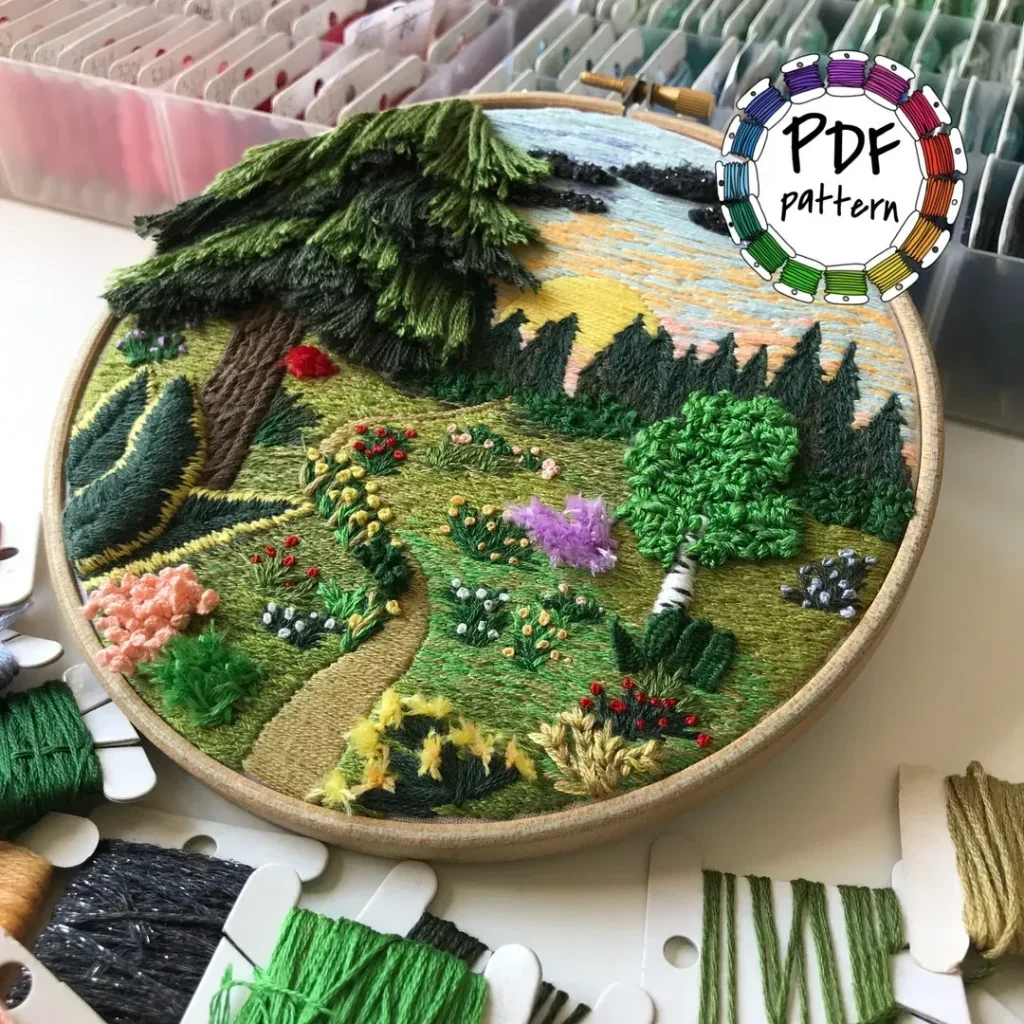
3D embroidered patterns invite a tactile dimension to fabric art, turning flat surfaces into living textures. By adjusting padding and layering, depth becomes a visible feature rather than a hidden detail. This guide shows how to design such patterns to look deliberate and professional, not bulky or messy. You will learn which stitches and materials lift elements off the fabric to create a convincing three-dimensional effect. Whether decorating a garment, a wall hanging, or decorative textile, mastering depth and form can turn ordinary stitches into a focal point.
In broader terms, these methods describe three-dimensional stitching designs that add height, texture, and shadow to fabric. Think of it as sculptural sewing, where raised motifs emerge from the surface and guide the viewer’s eye across the composition. Techniques such as stumpwork embroidery bring true stand-off and drama, while dimensional embroidery stitches provide controlled elevation. Layered embroidery techniques and careful color value choices help you manage depth without sacrificing drape or flexibility. With this lens, depth in embroidery becomes a shared goal across styles, from botanical appliqués to geometric relief.
Understanding Depth in Embroidery: Core Principles for 3D Effects
Depth in embroidery is a conversation between light and texture. In practical terms, depth means creating layers of visual and tactile interest so some elements appear to rise from the fabric. When designing 3D embroidery patterns, begin by identifying which motifs should command attention and which should recede. Consider stitch height, padding, color value, and placement to choreograph a path for the eye. The goal is not to inflate every stitch but to craft a composition where a few focal petals, leaves, or shapes read as truly dimensional.
To achieve controlled depth, plan the surface as a layered sculpture on fabric. Use padding beneath selected shapes, choose satin stitches for smooth planes, and reserve longer, curved stitches for organic forms. Start with a small swatch to judge how height translates on your chosen fabric, and adjust padding thickness and color shifts to keep the overall piece balanced. This deliberate approach keeps 3D embroidery patterns polished rather than bulky, ensuring the raised elements read as intentional design.
Layered Embroidery Techniques: Building Dimension with Padding and Offsets
Layered embroidery techniques rely on stacking elements with careful offsets to create visible planes. Begin with a stable base, then add an underlayer to support each raised motif. Padding is typically built up in stages, with each layer contributing to the sense of depth and space within the design. The technique works particularly well for petals, wings, or geometric motifs where overlapping forms catch light at different angles.
Effective layered embroidery techniques also consider contrast in color value and thread texture. Lighter hues in top layers create highlights that seem to float, while darker tones recede. Using felt or foam under selected pads increases height without distorting the base fabric. The result is a refined dimensional effect that remains flexible enough for wearable or decorative pieces.
Dimensional Embroidery Stitches: Techniques for Height and Texture
Dimensional embroidery stitches are the hands-on tools for lifting parts of a design off the fabric. Mastery comes from balancing stitch length, curvature, and consistent elevation, whether you use raised satin areas, padded centers, or sculpted outlines. Experiment with a mix of short, dense stitches for underlays and longer, bolder stitches to create exterior volumes. When used thoughtfully, dimensional embroidery stitches turn a flat drawing into a tactile sculpture.
In practice, plan your topology: decide which motifs gain height first, where veining or texture will sit, and how to maintain smooth transitions between raised and flat areas. Stabilizers, fabric weight, and thread choices all influence the final dimensional effect. By choreographing several stitch types—satin, stem, chain, and couching—you can produce comfortable, durable 3D results that still drape well on garments or panels.
3D embroidered patterns: Color, Texture, and Lighting for Realistic Volume
3D embroidered patterns rely on color and lighting to sell depth. Choose a value scale where highlights appear on the most elevated surfaces, and shadows deepen recessed zones. Subtle gradients between shades help the eye read rounded forms rather than flat silhouettes. When you stage your design for photography or display, consistent lighting from a single direction boosts the sense of volume across the piece.
Texture is a close ally to depth: pair textured stitches with smoother planes to create contrast that the eye interprets as dimension. Layered embroidery techniques in this section might combine boucle, crewel textures, and fine beads to catch light at different angles. Use color strategically so darker tones anchor recessed areas while lighter hues crown the raised elements, keeping 3D embroidery patterns cohesive.
Stumpwork Embroidery: Traditional Methods for Standout 3D Elements
Stumpwork embroidery is one of the most dramatic ways to push dimension beyond traditional flat stitches. By forming elements away from the base fabric and attaching them on tiny pads, stumpwork creates truly peaks and shadows that read as sculptural. This technique is ideal for botanicals, insects, or figurative motifs where three-dimensional form matters most.
To integrate stumpwork into contemporary projects, combine it with standard embroidery for a mixed-media feel. Plan which petals or wings will be raised, how padding will support each sculpted piece, and where to place light-catching beads or silk threads for added depth. The result is a modern take on a time-honored method that anchors depth and detail in your designs.
Planning and Design for Depth: From Sketch to Layered Motifs that Pop
Planning for depth begins with a strong design map. Start with a simple motif and sketch where padding and layer order will unfold. Map which elements will stay flat, which will rise, and where to reserve textured threads for surface interest. A preliminary depth map helps you predict the final balance between raised forms and negative space—an essential step in turning concept into cohesive 3D embroidery.
Before committing to full size, test your plan on a small swatch. Build pads, try different stitch heights, and assess how colors read as a group. This iterative approach—paired with layered embroidery techniques—ensures a durable, elegant result. In the end, your ready-to-wear or decorative piece should deliver clear depth in embroidery, a controlled mix of elements, and a polished, professional finish that stands up to viewing from across a room.
Frequently Asked Questions
What are 3D embroidery patterns and how do you begin designing them?
3D embroidery patterns are fabric designs with raised, dimensional elements that stand off the surface. To begin, sketch a simple motif, decide which areas will be padded, test a small swatch, and plan height and layering to control depth in embroidery.
How does depth in embroidery influence the look of 3D embroidery patterns?
Depth in embroidery gives visual and tactile contrast by layering elements, using padding, and applying color value changes. Thoughtful layering and shade placement help certain motifs appear closer while others recede, enhancing the three‑dimensional effect in 3D embroidery patterns.
Which stitches are best for achieving dimensional embroidery stitches in 3D embroidery patterns?
For dimensional embroidery stitches, use satin stitches for smooth top surfaces, longer curved stitches for organic forms, and couching to define raised ribs. Add French knots or seed stitches for texture; together they create believable depth in 3D embroidery patterns.
What materials support layered embroidery techniques in 3D embroidery patterns?
Key materials include sturdy stabilizers, padding like felt or foam, and a range of threads (cotton perle, rayon, metallic). Beads or sequins can add texture, while layering is built from padding placed beneath the fabric to create elevated elements in 3D embroidery patterns.
What is stumpwork embroidery and how does it apply to 3D embroidery patterns?
Stumpwork embroidery is a traditional method that builds elements away from the base fabric, creating dramatic depth. In 3D embroidery patterns, stumpwork adds pronounced dimension by sculpting flowers, leaves, and motifs that stand out from the surface.
Can you outline a simple mini project to practice depth and layering in 3D embroidery patterns?
Yes. Start with a small flower motif: pad a circular center, layer petals on padded bases, and use slightly taller satin stitches for the petals. Add veining with couching, then place a few textured stitches or seed stitches at the petal tips to reinforce depth in the 3D embroidery patterns.
| Topic | Key Points |
|---|---|
| Introduction | 3D embroidered patterns invite a tactile dimension to fabric art. They add depth and elevation so stitches rise off the surface, casting tiny shadows and inviting exploration of texture. This guide covers how to design 3D embroidered patterns that look deliberate and professional, with an emphasis on depth, tools, materials, and techniques to achieve convincing three-dimensional effects. |
| Understanding Depth in 3D Embroidered Patterns | Depth is about layers of visual and tactile interest. Manipulate stitch height, layering, color value, and spacing so some elements appear to float. Raised stitches, padding, and deliberate layering create perceived depth; the goal is a balanced composition where certain motifs loom while others stay flat. |
| Tools, Materials, and Foundations | Stabilizers prevent fabric distortion; match stabilizer to fabric weight and planned padding. Threads/fibers include cotton perle, rayon, metallics, chenille, or ribbon. Padding options: felt scraps, wool felt, or embroidery foam. Use a mix of satin stitches for smooth areas and longer curved stitches for organic forms to refine the dimensional look. |
| Techniques to Create Depth | 1) Padding and Raised Elements: add height under top layers. 2) Layering and Staggered Surfaces: stack elements with offsets. 3) Couching and Underlay: raised ribs/veining with underlay. 4) Beads/Texture: beads add dimension but balance is key. 5) Color/Value: use a light-to-dark value scale to suggest depth. 6) Stumpwork/Free-Standing: non-flat elements for dramatic depth. |
| Practical Pattern Design | Begin with a motif plan (flower, butterfly, geometric). Map where padding is used and layer order. Decide which elements are flat or raised and choose textured/boucle threads for surface interest. Test with a small swatch to refine padding thickness and color gradients before committing to full piece. |
| Color, Texture, and Lighting | Texture and color reinforce depth: use textured stitches for foundations and satin stitches for tops. Lighting influences perception; imagine light from upper left and place highlights/shadows accordingly. Consistent lighting during display helps convey volume. |
| Mini Project: A Simple 3D Flower Motif | Create a small raised center with felt, sew satin stitches in warm tones, add raised petals with layered padding, use lighter edges for curvature, add veining with couching, and finish with textured leafs for depth. |
| Common Mistakes and Troubleshooting | Over-padding can stiffen fabric; under-padding flattens design. An uneven base fabric misaligns layers. If colors blur, simplify the palette and reserve variety for raised areas. Avoid overloading with beads/heavy threads to preserve flexibility and drape. |
| Maintenance, Care, and Display | Padding can attract moisture; follow fabric care labels. For clothing, hand wash or gentle cycles. For wall art, frame with protective mount. Store away from direct sunlight to preserve color and depth. |
Summary
Conclusion for 3D embroidered patterns: 3D embroidered patterns bring depth and dimension to fabric, transforming stitches into sculptural elements. By combining padding, layering, and careful color planning, you can design motifs that resonate with texture and light. The core ideas—depth, texture, and controlled layering—apply across projects, from small floral accents to complex stumpwork compositions. Practice with swatches, test depth on scrap fabric, and gradually build skills. With intentional design and patient execution, your 3D embroidery patterns reveal vivid, tactile depth that captivates viewers and elevates textile art.