
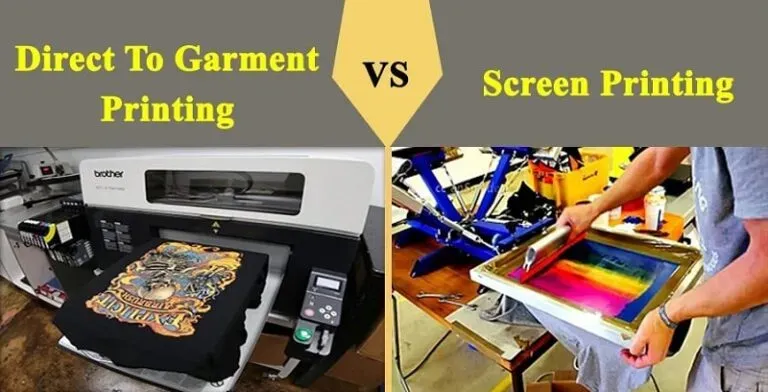
Screen Printing vs Direct-to-Garment is more than a technical choice for brands launching apparel lines; it’s a strategic decision that shapes costs, quality, and customer perception. In practice, DTG vs screen printing presents two distinct approaches to transferring artwork onto fabric. DTG excels with high-detail designs, while screen printing shines in bold color blocks and long-term production efficiency. This overview helps frame the decision in terms of turnaround, consistency, and brand impact. Understanding these trade-offs helps you choose the best method for apparel branding that aligns with your collection’s goals.
From a different angle, brands evaluate garment decoration techniques and ink systems as they plan drops, capsules, and campaigns. Direct-to-garment durability hinges on pretreatment quality, ink formulations, and curing, influencing wash-fastness and long-term appearance. The screen printing cost comparison considers upfront setup, screens, and ink costs against the flexibility of on-demand printing for smaller runs. When weighing print quality screen printing vs DTG, teams balance color opacity, gradients, and fabric compatibility to meet customer expectations. This framework helps brands align production choices with audience needs across lines and markets.
Screen Printing vs Direct-to-Garment: How Each Method Aligns with Brand Strategy
For brands launching apparel lines, the printing method is a strategic decision that influences costs, quality, and customer perception. Screen Printing and Direct-to-Garment (DTG) each offer distinct advantages, limitations, and ideal use cases, so understanding how they work helps tailor a plan to your goals. When evaluating these methods, you’re weighing factors like order size, color requirements, and required durability to determine which approach best supports your brand narrative.
Screen printing excels in high-volume, bold designs with strong color opacity, making it a sturdy choice for evergreen products and large campaigns. DTG, by contrast, provides flexibility for small runs, design iterations, and complex imagery, enabling rapid drops and customization. By aligning the method with your catalog strategy—whether you prioritize long-run efficiency or fast, low-risk testing—you can craft a merch program that scales while preserving your brand identity.
DTG vs Screen Printing: Detail and Design Capabilities for High-Resolution Artwork
DTG shines when your artwork relies on high detail, gradients, or photographic imagery. The inkjet process can reproduce subtle shading and intricate lines with clean edges, which can be a strong differentiator for apparel featuring complex art. This capability often complements a brand’s storytelling, especially for limited runs or capsule collections that demand rich visual nuance.
In contrast, screen printing handles complex color separations with consistent opacity and edge definition, particularly on a variety of fabrics. When designs require precise blocks of color and a robust presence, screen printing remains a reliable workhorse. Practically, many brands blend approaches, using DTG for detail-heavy pieces and screen printing for bold, high-impact graphics.
Screen Printing Cost Comparison: When Bulk Runs Make Financial Sense
Cost considerations for screen printing hinge on upfront setup: creating screens and color separations represents a higher initial investment, but the per-unit cost drops significantly as volumes grow. This makes screen printing especially advantageous for thousands of shirts with a stable, straightforward color palette, where long-term volume discounts translate into a lower overall cost per garment.
DTG offers lower barriers to entry and faster prototyping, which is ideal for small runs or frequent design changes. However, the per-unit cost tends to stay higher than screen printing for large orders. A balanced strategy—hybrid options that reserve screen printing for staple designs and DTG for variations—can optimize both cost and quality across a seasonal catalog.
Print Quality Screen Printing vs DTG: What Customers Notice on Fabric and Color
In terms of print quality, screen printing provides excellent color opacity and consistency, especially on darker fabrics, with durable ink layers that resist cracking after many washes. The hand feel is typically heavier, which some customers associate with a premium, long-lasting finish.
DTG delivers highly detailed images and a softer hand, which many shoppers associate with premium feel and comfort. The wash-fastness and durability of DTG depend on fabric choice, pretreatment, ink formulation, and curing quality. Carefully controlling these factors helps ensure DTG prints stand up to regular wear while maintaining image fidelity.
Best Method for Apparel Branding: Choosing the Right Path for Your Catalogue
The best method for apparel branding depends on your catalog mix, growth stage, and customer expectations. For brands prioritizing cost efficiency at scale, bold graphics, and broad fabric compatibility, screen printing is often the safer long-term bet. DTG, meanwhile, supports rapid iteration and high-detail artwork, making it a powerful tool for storytelling through limited drops and customization.
Many brands find value in a hybrid approach: maintain durable, high-volume screens for evergreen items while using DTG for limited editions and design-heavy pieces. This combination can balance cost, quality, and speed across product lines, helping you deliver a cohesive brand message without sacrificing flexibility.
Hybrid Strategies in Practice: Combining Screen Printing and DTG for Flexibility
Hybrid production strategies allow brands to optimize both cost and quality by assigning prints to the method that fits best. Using screen printing for staple designs keeps costs predictable at scale, while DTG enables rapid proofs, on-demand printing, and customization for new drops. This approach harmonizes efficiency with creativity across a season’s lineup.
To implement a successful hybrid system, focus on careful vendor selection, test prints, and clear proofing processes. Establishing testing on your primary garment colors and fabrics helps evaluate color accuracy, edge sharpness, and durability after washes. A well-planned workflow that includes vendor QA, timelines, and recuring evaluation ensures your blended strategy maintains consistency as you scale.
Frequently Asked Questions
Screen Printing vs Direct-to-Garment: Which is best for high-volume orders and what does the screen printing cost comparison look like?
For large runs, screen printing is typically the most cost-efficient option. After the upfront setup (creating screens for each color), the per-unit cost drops significantly, making the screen printing cost comparison favorable for thousands of shirts. DTG remains flexible for small batches but is generally more expensive per piece at scale.
DTG vs screen printing: How does direct-to-garment durability compare to traditional screen printing durability?
Direct-to-Garment durability depends on fabric, pretreatment, and proper curing, and can be excellent when done correctly. Screen printing tends to offer tougher, longer-lasting ink layers and greater resistance to cracking after repeated washes. Both methods can be highly durable when applied with proper process control.
Print quality screen printing vs DTG: which method offers better detail, gradients, and color fidelity?
DTG excels at fine detail, gradients, and photo-like images, while screen printing delivers crisp edges and opaque color, especially on dark fabrics. For complex gradients, DTG can reproduce subtle shading; for bold, uniform colors, screen printing often looks sharper and more durable.
Best method for apparel branding: when should a brand choose Screen Printing vs Direct-to-Garment for strong branding?
If your branding relies on evergreen designs with consistent colors across large inventories, screen printing supports scalable, uniform branding. For frequent drops, customization, or highly detailed artwork, DTG offers branding flexibility and rapid iteration without additional screens.
Screen Printing vs Direct-to-Garment: how do order size, color count, and fabric influence the decision?
Large order sizes favor screen printing for cost efficiency, while small, frequent runs favor DTG due to low setup needs. Designs with many colors can raise screen printing setup costs, whereas DTG can handle multi-color artwork without extra screens. Fabric and color also matter: DTG often requires pretreatment on dark fabrics, whereas screen printing works well across a wide range of fabrics with fewer steps.
Screen printing vs Direct-to-Garment: what are the sustainability and production workflow considerations?
Screen printing often uses plastisol inks that require curing, which can raise environmental concerns unless modern, water-based inks are used. DTG uses water-based inks and is well-suited to on-demand production but requires pretreatment and careful curing for durability. In terms of workflow, screen printing is batch-oriented for large runs, while DTG supports flexible, on-demand production and frequent design changes.
| Key Point | Screen Printing | Direct-to-Garment (DTG) |
|---|---|---|
| What it is | A traditional method where ink is applied through screens; durable and cost-effective at scale. | An inkjet-based method that prints directly onto fabric; best for high-detail and small runs. |
| Ideal use cases | Long runs, bold colors, wide fabric compatibility | Small runs, high-detail artwork, rapid iteration |
| Strengths | Cost efficiency at scale; vibrant opaque colors; durable ink layers; consistent results | High detail; gradients; flexible color changes; fast setup for small runs |
| Limitations | High upfront setup and color-count constraints; less suited for complex gradients on dark fabrics | Higher per-unit cost; potential durability concerns if not cured; pretreatment may be required on some fabrics |
| Best use case strategy | Evergreen designs, high-volume inventory | Limited drops, customization, frequent design changes |
Summary
Screen Printing vs Direct-to-Garment is a strategic spectrum for brands launching apparel lines, influencing costs, quality, and customer perception as you decide how to put your artwork on fabric. Both methods offer distinct advantages and trade-offs: screen printing delivers bold, durable results at scale and works well across a wide range of fabrics, while DTG excels at high-detail imagery, fast proofs, and flexible, on-demand production. In practice, many brands blend the two approaches—using screen printing for evergreen, high-volume designs and DTG for limited drops and intricate art—so you can balance cost, speed, and creative storytelling. To choose wisely, evaluate order size, design complexity, garment choices, and your brand goals, then align your printing strategy to your collection and customer expectations.