
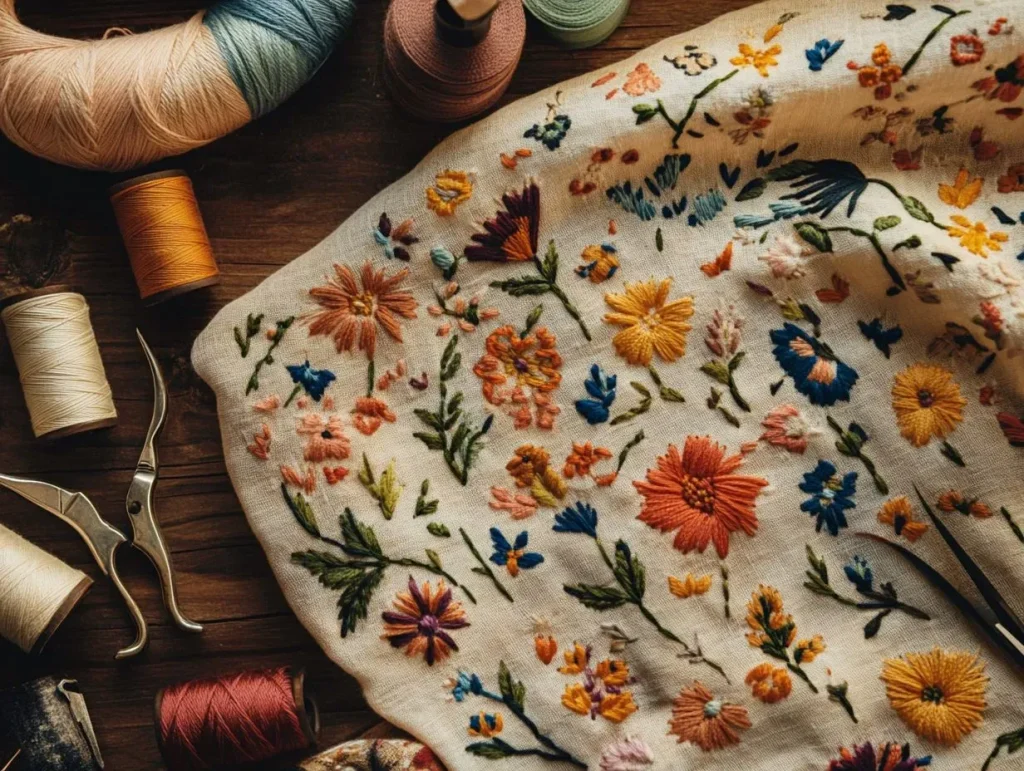
Sustainable embroidery is a mindful practice that blends beauty with responsibility. By choosing eco-friendly embroidery threads and embracing zero-waste embroidery techniques, crafters reduce impact while creating heirloom-quality pieces. This approach values fibers produced with care, dyes that minimize chemical footprints, and patterns that reuse or repurpose every scrap into cohesive, blossoming designs that celebrate craft heritage and resilience. Treating textiles as living pieces helps extend their life and invites thoughtful choices at every stitch, from selection to finishing touches, and this mindful process celebrates texture, durability, and the stories woven into each thread. Whether you’re new to stitching or returning to a calmer craft, this approach invites creativity with care and a durable, planet-friendly payoff.
In broader terms, this practice translates to eco-conscious stitching that honors materials, processes, and the people who enjoy the final pieces. Planet-friendly needlework emphasizes responsible fibers, gentle dyes, and slow, skillful construction that slows fashion’s fast cycles. Through mindful design, green stitching, and circular textile thinking, hobbyists and professionals alike can create durable items that carry a message of care. Embracing reuse and repurposing—through patchwork, modular motifs, and repair-friendly patterns—helps extend life and make creativity part of a sustainable lifestyle.
Sustainable embroidery: Principles, materials, and mindful stitching
Sustainable embroidery is more than a trend; it’s a mindful approach to crafting that respects people, fabrics, and the planet. By choosing eco-friendly materials, embracing responsible sourcing, and designing with longevity in mind, you can reduce environmental impact while still creating beautiful textiles. This mindset extends from your material choices to the finished piece and its end of life.
In practice, sustainable embroidery blends aesthetics with responsibility. It relies on eco-friendly embroidery threads, organic embroidery floss, and natural fibers like linen or hemp, while repurposing scraps into modular designs and reversible pieces to stretch usage and reduce waste. You can also explore recycled thread embroidery to give retired fabrics a second life in a new project.
Choosing eco-friendly embroidery threads for lasting color and conscience
Your thread choice sets the environmental footprint and the overall look of your work. Eco-friendly embroidery threads come from renewable or recycled sources and are produced with lower environmental impact than conventional options. Look for organic embroidery floss options, fiber certifications such as GOTS or OEKO-TEX, and packaging that minimizes waste.
Textile fibers like linen and hemp offer durability and biodegradability, while bamboo blends provide softness with responsible milling. When possible, choose threads from brands that repurpose textile waste into new skeins—this recycled thread embroidery approach extends the life of materials and reduces landfill.
Reusable embroidery ideas: Transform scraps into modular designs
Reusable ideas are central to sustainable stitching. Instead of discarding fabric scraps, you can stitch modular panels that can be rearranged into a larger composition later, or create embroidered patches that detach and reattach to different projects.
By sorting scraps by color and texture, you can plan cohesive color stories and reduce waste. Reusable embroidery ideas like patchwork blocks or reversible motifs let you reuse the same stitches across multiple projects, maximizing value and minimizing waste.
Zero-waste techniques for scrap-minimizing stitching and fabric use
Zero-waste embroidery techniques start with layout optimization: map out motifs on your fabric before cutting to minimize offcuts, using paper templates to plan waste-free zones and seam placements.
Stitch density and fabric handling matter too—choose stitches that cover more area with fewer threads, and conserve fabric by using salvaged edges creatively. If you must trim, keep off-cuts for future appliqué or patchwork to maintain a closed-loop approach.
Recycled thread embroidery: Turning textile waste into vibrant fiber art
Recycled thread embroidery brings new life to retired textiles by feeding recycled fibers into thread production. This approach often yields unique colorways and textures that reflect the story of the fabric’s previous life.
Incorporating recycled thread embroidery into your projects reduces landfill and supports a circular economy. Pair this with reusable ideas to extend the life of your stitched pieces and build a cohesive collection of artful, eco-conscious textiles.
Organic embroidery floss and natural fibers: A guide to durable, earth-friendly stitching
Organic embroidery floss is grown without synthetic pesticides or fertilizers, and dyes are typically safer, supporting farmers who practice regenerative agriculture. Natural fibers such as linen and hemp offer durability, breathability, and a sense of tactility that ages gracefully.
Care for eco materials is essential: hand wash cool, mild detergent; air-dry; store skeins away from direct sunlight to prevent fading. With proper care, organic embroidery floss and recycled thread embroidery projects stay vibrant for years, extending the value of each piece.
Frequently Asked Questions
What is Sustainable embroidery and why does it matter for makers?
Sustainable embroidery is the practice of stitching textiles with materials and methods that minimize environmental impact. It blends aesthetics with responsibility, aims to extend textile life, and reduces waste and energy use. By prioritizing eco-friendly embroidery threads, reusable embroidery ideas, and zero-waste embroidery techniques, makers can create beautiful pieces with a smaller footprint.
How do eco-friendly embroidery threads support Sustainable embroidery?
Eco-friendly embroidery threads come from renewable or recycled sources and are produced with lower environmental impact. Options include organic embroidery floss, linen or hemp threads, recycled or upcycled threads, and bamboo blends. Look for certifications like Organic, GOTS, and OEKO-TEX, minimal packaging, and dyes that avoid heavy metals to strengthen your Sustainable embroidery projects.
What are some reusable embroidery ideas that fit Sustainable embroidery?
Reusable ideas reduce waste by repurposing scraps into modular designs, upcycled textiles, reversible embroidery, and embroidered patches. Practical steps include planning modular layouts, keeping a scraps stash, and documenting patterns so pieces can be reassembled or repurposed in future projects.
What are zero-waste embroidery techniques and how can I apply them in Sustainable embroidery?
Zero-waste embroidery techniques minimize scrap from the start through pattern layout optimization, thoughtful stitch density, and creative edging. Start with a simple motif, use fabric remnants for panel designs, and reuse off-cuts for future appliqué or patches, all aligned with sustainable embroidery goals.
How does organic embroidery floss fit into Sustainable embroidery?
Organic embroidery floss is made from natural fibers grown without synthetic pesticides, often with earth-friendly dye processes. It supports regenerative farming and reduces chemical exposure, making it a strong choice for durable, eco-friendly embroidery projects within Sustainable embroidery.
What is recycled thread embroidery, and how can I use it in Sustainable embroidery?
Recycled thread embroidery uses threads created from textile waste, giving retired fabrics a second life and reducing landfill. It can add unique colorways and texture to projects. When using recycled threads, pair them with other eco-materials, check fabric compatibility, and choose brands that disclose their recycling practices to stay true to Sustainable embroidery goals.
| Key Topic | What It Means | Practical Takeaways |
|---|---|---|
| Definition | Sustainable embroidery minimizes environmental impact across materials, dyes, and processes; aims to extend textile life, recycle or repurpose scraps, and reduce energy and water use. It’s a mindset guiding material choices, techniques, and end-of-life care. | Prioritize responsibly produced fibers, earth-friendly dyes, and waste-reducing practices; adopt a sustainability-forward end-of-life approach. |
| Eco-Friendly Embroidery Threads | The backbone of green stitching. Threads come from renewable or recycled sources and are produced with lower environmental impact. | Choose organic floss; linen, hemp, recycled/upcycled threads; bamboo and other plant-based options. Look for certifications (organic, GOTS, OEKO-TEX); minimize packaging; favor safer dye processes. |
| Reusable Ideas for Embroidery Projects | Repurposing fabric scraps into new designs and modular pieces to reduce waste. | Plan modular designs; keep a scrap stash sorted by color; document layouts to reassemble later; create detachable patches or reversible embroidery. |
| Zero-Waste Embroidery Techniques | Techniques to minimize scrap from the outset through planning and efficient stitching. | Optimize pattern layout; plan stitch density for coverage with fewer stitches; use salvaged edges; save off-cuts for future projects. |
| Caring for Eco Materials and Extending Their Life | Care for eco materials to maximize longevity; careful washing and storage reduce degradation. | Hand wash cool; air-dry; store skeins away from sunlight; tuck ends to prevent fraying; maintain threads for years. |
| A Step-by-Step Starter Project | A practical, small project to practice sustainable methods. | Gather organic threads and linen/hemp fabric; draft a modular design; cut scraps; thread a single color to start; use basic stitches; finish with a neat edge; consider attaching as a patch. |
| Real-Life Examples and Inspiration | Crafters widely embrace eco threads and recycled threads; modular, patchwork and upcycled projects illustrate sustainable embroidery in action. | Try small-scale projects first; explore modular wall art or patchwork textiles to apply sustainable techniques.” |
Summary
Table provides a concise, English-language overview of sustainable embroidery concepts: definitions, eco-friendly threads, reusable ideas, zero-waste practices, care, starter projects, and inspiration. The table highlights how sustainable embroidery blends aesthetics with environmental responsibility and offers concrete actions—select certified fibers, repurpose scraps, design modular layouts, optimize cuts, and care for materials—to implement in practice.