
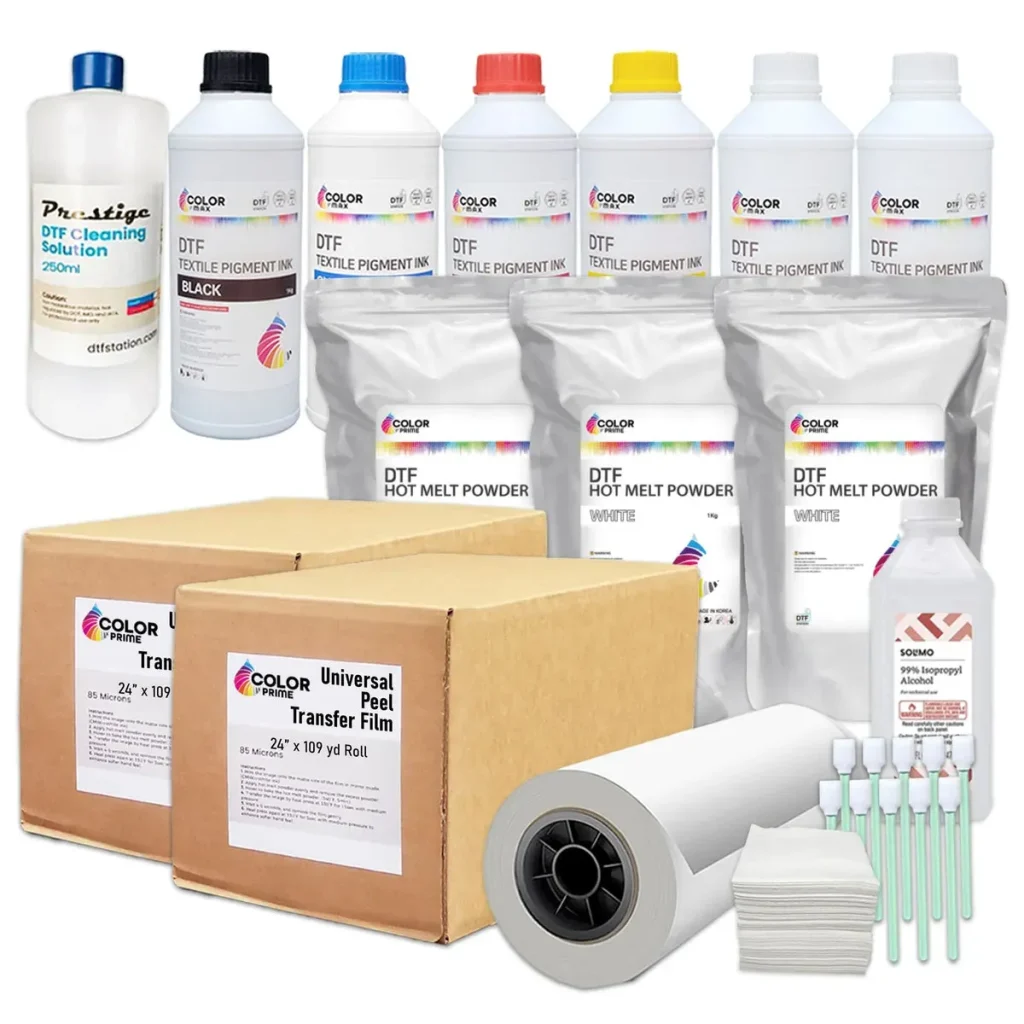
DTF supplies play a pivotal role in delivering vibrant, durable Direct-to-Film transfers, making them the backbone of any successful project. From DTF transfer paper to the inks and powders, the quality of your DTF supplies directly affects color accuracy, texture, and wash-fastness. When you explore options for DTF printing, prioritize compatibility with your DTF printer setup and the finishing equipment to minimize rework. A strong lineup of DTF printing supplies ensures reliable adhesion and consistent results across fabrics, boosting production efficiency. This guide outlines how to choose supplies that deliver market-ready prints, with practical tips on evaluating transfer paper, inks, and powders.
Beyond the label, the success of Direct-to-Film printing rests on a broader family of materials that support the workflow. Think of the transfer media as the canvas, while DTF ink for prints and powders form the working chemistry that drives color, durability, and texture. In practice, evaluating DTF transfer paper performance, ink brightness, and adhesion helps teams predict wash-fastness across fabrics. A reliable DTF printer setup paired with consistent color management and proper curing timelines keeps results stable from first sample to final production.
DTF Supplies Essentials: Building a Reliable Direct-to-Film Printing Foundation
DTF printing begins long before the design hits the garment. DTF supplies—the full suite of transfer paper, inks, powders, printers, and finishing equipment—shape every detail of the final product. When you invest in high-quality DTF printing supplies, you set the baseline for color accuracy, texture, and wash-fastness across jobs. From the ink chemistry to the heat press, each component interacts with the others, so selecting reliable DTF supplies reduces rework and protects your margins in production runs.
A practical starter approach is to map your workflow and verify compatibility: DTF transfer paper that matches your inks, a compatible printer, and a powder system that complements the film. Take time to review product data sheets, ICC profiles, and recommended curing temperatures. Getting the printer setup and materials aligned early saves time and supports consistent, market-ready results in Direct-to-Film printing.
Choosing the Right DTF Transfer Paper for Vibrant, Durable Results
The transfer paper is the canvas for your design. Choose DTF transfer paper with a uniform coating, stable whiteness, and predictable release. A reliable paper supports crisp edges, accurate color transfer, and strong adhesion after pressing. Compatibility is key: ensure the paper works with your ink set and printer, and check its performance across fabric weights and colors.
Test swatches on common fabrics to gauge edge definition, color transfer, and wash performance. Dark garments demand papers that layer white ink cleanly and resist cracking in the wash. By selecting the right DTF transfer paper for your system, you minimize post-press adjustments and maintain consistency across batches.
DTF Ink for Prints: Maximizing Color, Opacity, and Longevity
DTF inks come in white and color formulations, and their performance hinges on pigment load, opacity, and cure compatibility. The right DTF ink for prints should deliver bright reds, realistic skin tones, and deep blues without oversaturation. White inks are pivotal on dark fabrics, so choose formulations with strong opacity and reliable jetting.
Ink compatibility with transfer paper and the printer matters as much as color science. Use manufacturer guidelines for surface pretreatment, flux, and curing temperatures. Calibrate color using ICC profiles and test batches to prevent issues like color bleed or dull tones in your Direct-to-Film workflow.
Powder Adhesive and Finishing: Ensuring Strong, Flexible Bonds
Powder adhesive is the bridge between the printed film and the fabric. When selecting powder, look for strong adhesion, flexibility after curing, and wash-fastness. A good powder system reduces edge cracking and ghosting, preserving image detail across multiple washes.
Finishing steps—correct drying and curing times, correct temperature and pressure—are equally critical. Follow the recommended heat-press protocol and peel method to avoid scorching or residue. A well-chosen powder and a consistent finishing routine yield durable transfers suitable for apparel and hard goods alike.
Printer Setup and Color Management for Consistent DTF Results
A reliable Direct-to-Film workflow starts with a disciplined printer setup. Calibration, color management, and printer profiles ensure consistent color rendition across runs. Use ICC profiles tailored to your DTF inks and transfer paper, and verify nozzle health with routine maintenance.
Beyond profiles, tune print driver settings for quality rather than speed: select the correct media type, resolution (1200 dpi or higher), and color mode. Regular nozzle checks and cleaning prevent gaps and banding, while drying and curing timing must align with your chosen ink/paper system to avoid smudges and misregistration. This is where DTF printer setup becomes a competitive edge.
Quality Control, Troubleshooting, and Best Practices in DTF Workflows
Even with top-tier DTF supplies, issues can surface. Common symptoms include color mismatch, poor ink adhesion, ghosting, or cracking after washing. Build a simple QC routine: compare test swatches to color targets, inspect adhesion on representative fabrics, and verify that the film is dry before powdering. Document results to drive continuous improvement.
Address problems with a structured approach: recalibrate colors, test different transfer papers with the same ink, verify cure timing, and confirm fabric compatibility. Maintain clean work habits, rotate stock, and maintain open channels with suppliers who provide color profiles and troubleshooting guides. With disciplined QA, your Direct-to-Film workflow becomes more predictable and scalable.
Frequently Asked Questions
Why are DTF supplies essential for Direct-to-film printing?
DTF supplies are the consumables and tools used in Direct-to-film printing, including DTF transfer paper, DTF inks for prints, a compatible printer, powder adhesive, curing equipment, and a heat press for finishing. High-quality DTF supplies improve color accuracy, ink adhesion, and wash-fastness, reducing rework and speeding production in your Direct-to-film printing workflow.
How do I choose DTF transfer paper for Direct-to-film printing?
For DTF transfer paper, look for a smooth, evenly coated surface with consistent whiteness and reliable release. Ensure compatibility with your ink set and printer, and choose a paper that preserves vibrant colors and handles white ink layering well on dark fabrics. Verification tests and supplier recommendations help confirm compatibility within your DTF printing supplies bundle.
What should I know about DTF ink for prints in a printing workflow?
DTF ink for prints should offer a wide color gamut and bright, saturated results, with strong white ink opacity for visibility on dark fabrics. Check ink chemistry, cure requirements, and compatibility with your DTF transfer paper and printer. Validate with test prints to prevent banding, color drift, or adhesion issues in your Direct-to-film printing process.
What role does the powder adhesive play in DTF printing?
The powder adhesive is critical for bonding the printed film to the garment during heat pressing. Choose a powder with good adhesion, flexibility after curing, and wash-fastness. It should release cleanly from the film and be compatible with your inks and transfer paper to avoid ghosting or residue in your DTF printing results.
How should I configure my DTF printer setup for best results?
DTF printer setup involves color-managed calibration (ICC profiles tailored to your inks and transfer paper), optimized print driver settings (correct media type, high resolution like 1200 dpi, appropriate color mode), and regular nozzle maintenance. Ensure the printed film is dry before powdering and align curing times with ink specifications to achieve crisp details in Direct-to-film printing.
What storage and handling practices help maintain DTF supplies for reliable Direct-to-film printing?
Store DTF supplies in a cool, dry place away from direct sunlight to prevent ink separation and powder clumping. Keep materials sealed until use, practice first-in, first-out stock rotation, and handle coated surfaces with clean hands. Proper storage and handling preserve DTF transfer paper, DTF inks, and powders, ensuring consistent Direct-to-film printing results.
| Topic | Key Points |
|---|---|
| What are DTF supplies and why they matter | DTF supplies include DTF transfer paper, inks (white and color), a compatible printer, a powder adhesive, curing equipment, and a heat press for finishing. The quality of these supplies directly affects image reproduction, ink adhesion, and the durability of the final transfer. Investing in reliable DTF supplies reduces rework, minimizes waste, and speeds up production, especially at scale. |
| Choosing the right DTF transfer paper | DTF transfer paper is the canvas for your design. Look for consistent coating, good torque resistance, and uniform whiteness. A high-quality paper should offer a smooth surface for clean edges and vibrant colors, reliable release from film to fabric, and compatibility with your ink set and printer. Also ensure durability for target fabrics (e.g., papers that handle white ink layering for dark garments and resist cracking during washing). |
| Inks for DTF printing | DTF inks come in white and color formulations and must be chosen for printer compatibility and media. Consider color gamut and brightness, white ink opacity and jetting performance, cure requirements, and ink-paper compatibility to avoid issues like banding or color bleed. Verify manufacturer recommendations and test validity with your setup. |
| Powder adhesive and finishing considerations | Powder adhesion strength and flexibility, wash-fastness, clean release from the film, and compatibility with inks and paper are key. A good powder forms a strong bond across fabrics while staying flexible after curing and releasing smoothly to minimize ghosting. |
| Printer setup and color management | A reliable DTF workflow requires proper calibration and color management (ICC profiles tailored to inks and paper). Optimize print driver settings for quality (media type, resolution, color mode), perform routine nozzle checks, and ensure drying/curing timing aligns with ink/paper specs to prevent smudging or color gaps. |
| Heat pressing and finishing | Finishing depends on temperature, time, and pressure. Typical values range from 300–330°F (149–166°C) for 12–20 seconds, with even pressure. Peel method and cooling (warm vs. cool) depend on the system. Post-press handling and a final protective press can improve surface finish and humidity control. |
| Storage, shelf life, and handling | Store in a cool, dry place away from direct sunlight; keep materials sealed until use; rotate stock (FIFO); maintain hygiene to prevent oils from affecting adhesion. |
| Budgeting, brands, and supplier evaluation | Value comes from long-term performance. Look for consistency across batches, strong technical support and documentation, compatibility guarantees, and sample testing before large orders to verify color quality, adhesion, and wash durability. |
| Common pitfalls and troubleshooting | Anticipate color mismatch, poor ink adhesion, ghosting, or cracking after washing. Remedies include validating ICCs, checking curing times, ensuring surface cleanliness, confirming paper ink coupling, proper alignment, and verifying full drying before powdering. |
| Buying guide for beginners | Start with a trusted trio: transfer paper, white and color inks, and a compatible powder system. Run small test batches, establish color calibration and test swatches, and document a heat-press protocol to create a repeatable workflow. |