
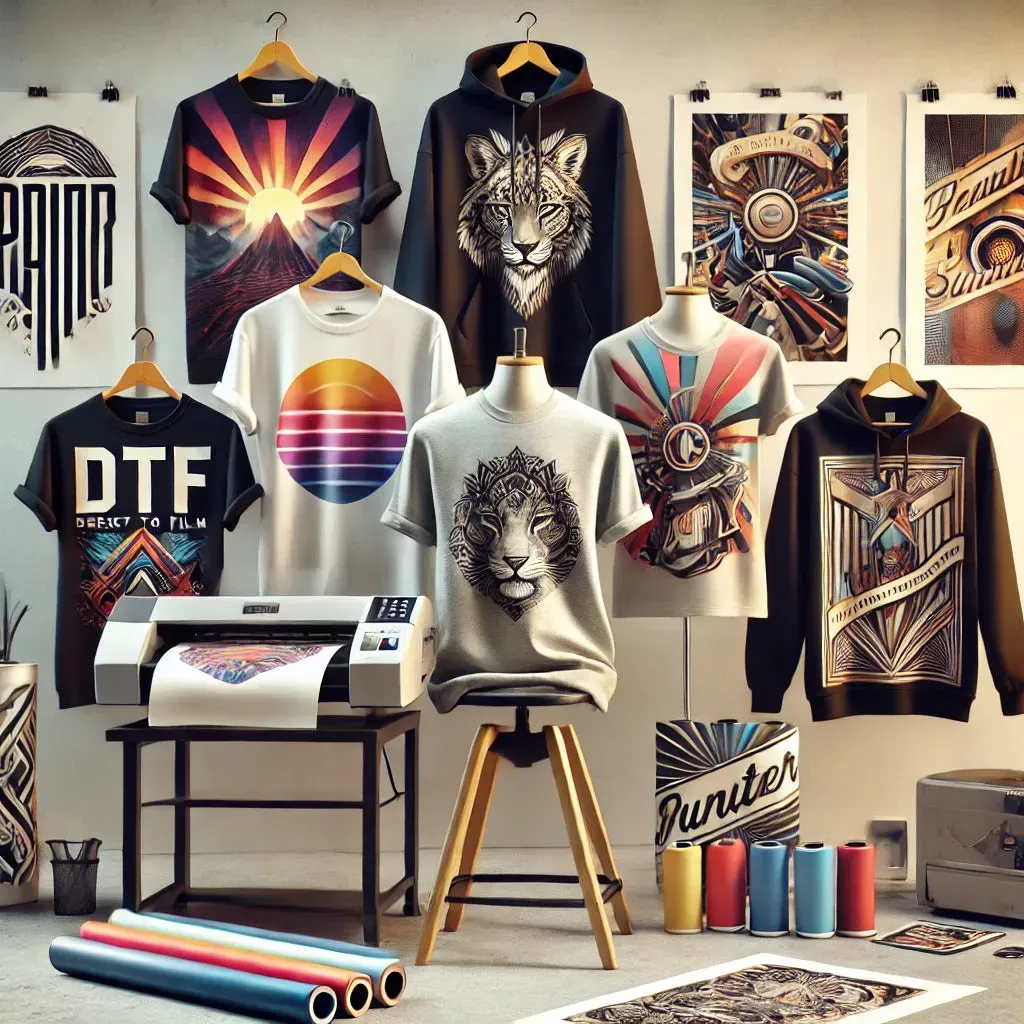
DTF design ideas are the heartbeat of turning bold concepts into market-ready apparel, guiding you from the initial spark to production-ready files. In this guide, you’ll learn how to translate those ideas into visuals that communicate scale, placement, and mood to stakeholders, capture attention in listings, and guide designers and printers through a reproducible process. The workflow helps you assess color relationships, fabric interactions, underbase needs, and production steps from concept to shirt, reducing waste and speeding delivery while preserving creative intent. By grounding creativity in practical constraints such as ink mix, substrate, and color separation considerations, you’ll produce designs that translate well across multiple garment colors and a range of sizes. Whether you’re building a single item or launching a small collection, a clear ideation-to-production process keeps your brand cohesive, scalable, and ready to respond to market feedback.
This material explores how artists turn sketches into wearable graphics through a modern digital textile workflow. You’ll see how mockups help preview artwork on different garments, and how color management and file preparation influence the final outcome. From graphic concepts to production-ready files, the discussion covers color spaces, separations, and practical steps that bridge design and fabrication. In short, the guide translates creative concept into scalable apparel through structured planning, prototyping, and disciplined quality checks.
DTF design ideas: From Inspiration to Market-Ready Concepts
Generating DTF design ideas starts with understanding your audience and the mood you want the final shirt to convey. By collecting inspiration from street fashion, poster art, nature, and geometry, you can build mood boards that mix color palettes, typography samples, and vector shapes. The goal is to identify recurring motifs that translate well to fabric, ensuring your ideas align with how customers will engage with the Tee. This foundational work also makes it easier to generate variants that can be tested in the market, ultimately fueling stronger DTF design ideas that resonate when printed as DTF mockups.
As you brainstorm, consider who you’re designing for—music fans, gamers, fitness enthusiasts, or eco-conscious shoppers—and weave that context into your DTF design ideas. This clarity sharpens not just the concepts but how they translate into Direct-to-fabric printing designs and DTF transfer designs. With a well-defined audience, you can map T shirt design ideas DTF to practical production steps, reducing waste and speeding time to market while keeping the vision intact.
DTF mockups: Visualizing Concepts Before Production
DTF mockups bridge the gap between concept and finished product by showing how a design looks on a real shirt. They help you test scale, color density, contrast, and how a design sits on the chest or across the back. High-quality DTF mockups reduce uncertainty before you commit to production, enabling more confident decisions about how the artwork will translate to fabric.
To maximize mockup usefulness, use templates that match your target garment—color, fabric weight, and sleeve length—to gain accurate feedback from teammates and potential customers. A precise DTF mockup reveals how your design ideas translate into wearable art, helping you refine composition and color separations before moving into production with Direct-to-fabric printing designs or DTF transfer designs.
Direct-to-fabric printing designs: Color Care and Layering for Crisp Results
Direct-to-fabric printing designs demand careful attention to color, layering, and underbase needs. Plan for how white or light fabrics interact with the print and how dark fabrics require underbase work, ensuring the color you see on screen translates to fabric. Build artwork with layered separations that align with printer capabilities, and map out the order of color layers for multi-color designs to prevent color bleed and preserve crisp edges.
Consider color spaces and profiles—many printers perform best with sRGB or a CMYK workflow depending on equipment. By prioritizing color care in the planning stage, you’ll produce DTF designs that stay vibrant when printed on fabric, whether you’re delivering Direct-to-fabric printing designs for a single tee or expanding into multi-application lines.
DTF transfer designs: Prepress Steps for Durable Transfers
DTF transfer designs introduce pressable transfers into the workflow with specific heat and time requirements. Plan for prepress considerations such as bleed areas, safe zones, and ensuring that fine lines remain legible after transfer. Designing with transfers in mind helps you maintain a soft hand, durable adhesion, and a faithful reproduction of detail across the intended print area.
Develop a clear mental model of how DTF transfer designs will perform post-press and adjust art files to preserve detail while controlling production costs. Early decisions about vector vs raster elements, line weights, and color density help ensure your transfers look great on multiple garment colors and stay reliable through wear and washing.
Typography, Imagery, and Composition in T shirt design ideas DTF
Typography is a major driver in DTF design ideas, especially for apparel. Bold, readable type should work from a distance and up close, so practical text sizes and sturdy letterforms are essential. Pair typography with strong imagery or geometric shapes to create a balanced composition that remains legible across colors and lighting conditions.
If your concept uses photography or complex artwork, simplify the image for clarity when printed on fabric. A well-composed design reads clearly in real-world conditions and across garment colors, reinforcing the impact of T shirt design ideas DTF when rendered as DTF mockups and Direct-to-fabric printing designs.
From File Prep to Production: Practical Steps for DTF Projects
Before sending files to a printer, prepare them for production with robust file management. Use vector art for logos and simple shapes to retain sharp edges, and ensure raster artwork is high resolution (typically 300 DPI at print size). Save in industry-friendly formats like PNG with transparency or TIFF/PSD to preserve layers for edits, and establish a consistent naming convention with organized layers so the press operator can reproduce the design exactly as intended.
For multi-color designs, create color separations and provide color swatches to guide the printer. Clear documentation reduces miscommunication and speeds up production, turning your DTF design ideas into tangible tees faster. Finally, stress-tested file prep, mockup validation, and preproduction review help align your DTF mockups, direct-to-fabric printing designs, and DTF transfer designs into a smooth, scalable workflow.
Frequently Asked Questions
What makes a strong set of DTF design ideas for a new tee line?
A strong set starts with clear DTF design ideas that match your audience and mood. Build mood boards, identify recurring motifs, and develop a few strong concepts. Turn these into DTF mockups to visualize scale and color on real garments, then refine for production. This approach ties your T shirt design ideas DTF to practical outcomes in direct-to-fabric printing designs.
How can I use DTF mockups to preview Direct-to-fabric printing designs before production?
Use DTF mockups as a design tool to test scale, color density, and placement on target garments. Choose templates that match fabric color and weight, simulate how the print will look on different tees, and gather feedback before committing to production. This helps ensure your Direct-to-fabric printing designs translate accurately from concept to tee.
What should I consider in Direct-to-fabric printing designs to ensure color accuracy and print quality?
Plan color separations and choose appropriate color spaces (often sRGB or CMYK for the printer). Consider underbase needs, layering order, and how whites interact with prints on light vs. dark fabrics. Prioritize crisp edges and avoid fine details that may blur in DTF printing designs, delivering vibrant, durable tees.
How do DTF transfer designs differ from other methods in the production workflow?
DTF transfer designs require specific prepress steps, bleed and edge considerations, and a focus on how the transfer will feel and endure after heat bonding. Design files should maintain legibility and detail across the transfer area, balancing image quality with production costs in DTF transfer designs.
Why are typography and composition important in DTF design ideas for tees?
Typography drives readability and brand voice. In DTF design ideas, use bold, legible type and pair it with strong imagery or geometric shapes to create balanced compositions. Simplify complex artwork for fabric printing to ensure the message reads clearly from a distance and up close in T shirts design ideas DTF.
What is a practical workflow from DTF design ideas to finished tees?
Start with DTF design ideas, create mood boards, and generate a few strong concepts. Develop DTF mockups to validate scale and color, then prepare Direct-to-fabric printing designs with proper separations and color swatches. Finalize file prep, preproduction checks, and run a small test press before full production of the tees.
| Topic | Key Points |
|---|---|
| Introduction |
|
| Generating DTF design ideas |
|
| DTF mockups as a design tool |
|
| Direct-to-fabric printing designs with color care in mind |
|
| DTF transfer designs vs direct to garment considerations |
|
| Typography, imagery, and composition in DTF design ideas |
|
| Practical file preparation for DTF projects |
|
| Scaling and testing your design ideas |
|
| The business side of creating DTF design ideas |
|
| Best practices and common pitfalls to avoid |
|
Summary
DTF design ideas drive the journey from concept to tee, guiding ideation, mockups, and production to deliver market-ready tees. Throughout the process, a clear understanding of the target audience, mood boards, and disciplined file preparation helps ensure prints are faithful to the concept. Mockups bridge the gap between idea and garment, enabling testing of scale, color density, and placement before committing to production. Careful attention to color management, layering, and appropriate color spaces across light and dark fabrics minimizes surprises and preserves print quality. By combining market insight, tested workflows, and a structured production plan, your DTF design ideas can scale into a cohesive line of wearable art.