
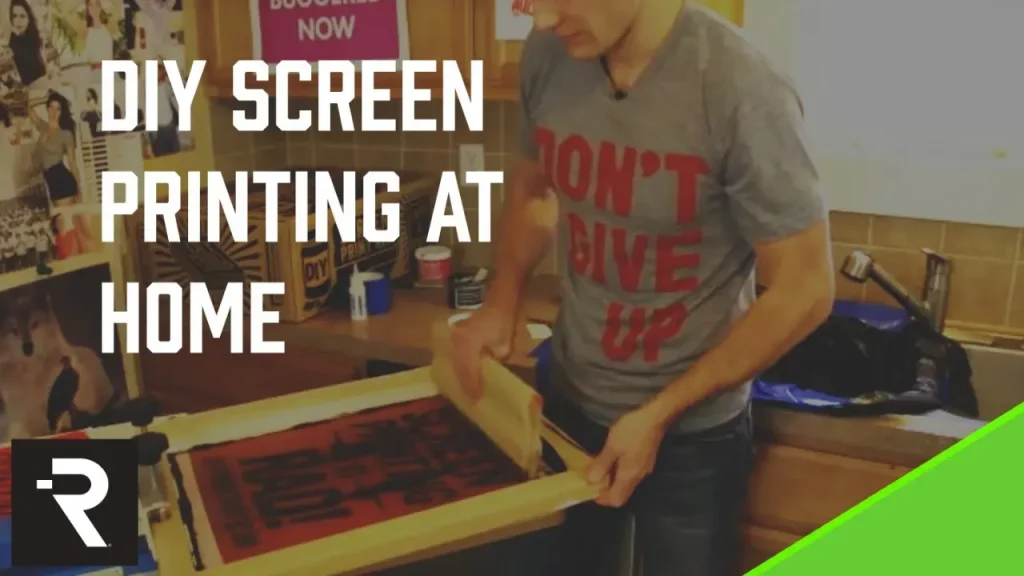
DIY screen printing at home puts creative control in your hands, turning simple materials into bold, custom apparel and wall art. With a modest setup, you can manage screen printing at home costs while producing tees, tote bags, posters, and art prints. This approach rewards beginners with hands-on learning that scales as you improve your studio skills. Understanding home screen printing equipment, ink choices, and safe screen printing practices helps you budget and stay safe. If you’re exploring DIY T-shirt printing at home and silkscreen printing for beginners, this guide gives clear, practical steps.
From another angle, you’re engaging in home-based stencil printing that transfers ink through a mesh screen onto textiles and paper. This approachable method supports hobbyists, educators, and makers by offering hands-on results without big studio overhead. With familiar steps: emulsion, exposure, and controlled ink transfer, it’s a scalable, small-batch print process you can master at home.
DIY screen printing at home: Getting started with a simple setup
DIY screen printing at home makes the craft accessible to hobbyists and educators alike. With a modest workspace and a focused set of tools, you can begin creating custom tees, tote bags, posters, and art prints without paying for costly studio time. Start with the basics of a functional home screen printing equipment kit and learn how a frame, mesh, ink, and substrate interact to produce the first prints.
As you begin, prioritize a practical, safe workflow and a clear plan for your first designs. This approach aligns with silkscreen printing for beginners, helping you develop repeatable results while you refine registration, ink viscosity, and curing times in your own space. The emphasis is on learning the core concepts before expanding to more ambitious projects.
Essential equipment and setup for home screen printing
A reliable setup hinges on choosing the right home screen printing equipment that fits your goals. Start with frames or pre-stretched screens, a compatible mesh count, and a sturdy printing surface. An entry-level kit often includes a basic emulsion system, squeegees, and a simple exposure method, which keeps initial costs reasonable while you gain confidence.
As you grow, tailor your setup to the kinds of projects you love—whether fabrics or paper. Higher mesh counts yield finer details on light fabrics, while lower counts suit bold, graphic prints. For beginners, a practical emphasis on clean emulsion application, proper drying, and safe handling makes the process more predictable and enjoyable as you explore DIY screen printing at home.
Costs and budgeting for screen printing at home
Understanding screen printing at home costs helps you plan without surprises. Entry-level setups can range from about $100 to $250, providing a solid foundation for practice and small runs. As you scale, mid-range investments in better exposure, more screens, and improved inks can push your budget into the $250–$500 range, supporting faster workflows and more consistent results.
Ongoing expenses, including emulsion, screens, squeegees, and ink, add up over time. Budgeting for consumables and occasional upgrades—such as higher mesh counts or a dedicated curing setup—ensures your workspace remains productive. A clear cost framework helps you balance ambition with practicality as you grow your home screen printing capabilities.
Safety and workspace practices for at-home screen printing
Safety comes first when building a home screen printing routine. Work in a well-ventilated area and use PPE like gloves, goggles, and a mask when handling emulsions, inks, and solvents. Good ventilation reduces fume exposure, while a tidy, organized area minimizes chemical spills and misprints, reinforcing safe screen printing practices in your home workspace.
Establish clear storage and disposal routines for chemicals, and maintain separate zones for mixing, printing, and curing. Regularly wash screens and tools after each session to prevent cross-contamination, and follow manufacturer guidelines for curing temperatures and times. By integrating these practices, you protect yourself and sustain a reliable, safe at-home workflow.
Step-by-step workflow for silkscreen printing for beginners
A practical workflow helps you move from concept to print with fewer misprints. Start with design preparation, ensuring your artwork matches the intended print size and color limitations. Print a mirrored image if needed, then set up the screen, coat with emulsion, and dry in a dark space to ensure a clean stencil.
Expose the stencil using a light source according to your emulsion instructions, rinse to reveal the design, and set up the print area with a secure, flat surface. Ink, coat, and pull with consistent pressure, then cure prints and clean the screen. This step-by-step rhythm embodies silkscreen printing for beginners and builds confidence for more complex, multi-color projects.
Expanding your craft: DIY T-shirt printing at home and beyond
As you gain experience, you can scale using more screens, a more robust curing setup, and specialty inks suited to different fabrics and substrates. Expanding your practice opens opportunities for multiple color layers, intricate registrations, and larger runs while staying within a home-based workflow.
Beyond T-shirts, explore substrates like tote bags, posters, and art prints, and experiment with techniques such as discharge printing, foils, or overlays. The core principles—reliable mesh tension, clean emulsion, accurate exposure, and controlled ink transfer—remain the foundation as you move from DIY T-shirt printing at home to broader screen printing ventures.
Frequently Asked Questions
What is DIY screen printing at home and what home screen printing equipment do I need?
DIY screen printing at home is a hands on method for applying ink to fabrics and paper using a mesh stencil outside a traditional studio. For a practical starter setup you will want frames or screens with stretched mesh, emulsion and a method to create stencils, a light exposure source, a squeegee and inks (water based inks are common for fabrics), a clean workspace with mixing cups and screen cleaners, a flat printing surface, and basic PPE. You do not need a full studio to begin, but choosing reliable safe gear keeps your results consistent.
How much does a DIY screen printing at home setup typically cost, and what factors influence screen printing at home costs?
Costs vary by goals and scale. Entry level DIY screen printing at home can start around $100-$250 for a basic starter kit with frames, ink, squeegees, and emulsion. A mid range setup $250-$500 adds more screens, stronger exposure options, and a dedicated workspace. Ongoing costs for consumables and occasional upgrades typically run $50-$200 per year.
What are the essential safe screen printing practices for a home workshop?
Safe screen printing practices focus on ventilation, PPE, and clean handling. Work in a well ventilated area, wear gloves and eye protection, and use a dust mask if powders are involved. Store chemicals in labeled containers and dispose of waste according to local rules, and keep the workspace tidy to prevent spills. When curing, follow ink and fabric guidelines to avoid burns or fumes.
Is DIY T-shirt printing at home feasible for beginners, and what fabrics work best?
Yes, DIY T-shirt printing at home is beginner friendly with a modest setup. Cotton and cotton blends are the easiest substrates; avoid overly stretch fabrics until you are comfortable. Use ink suitable for fabric such as water based inks, and choose a mesh count that matches your design complexity. Start with simple designs and test on scrap tees before running actual garments.
What are common challenges in silkscreen printing for beginners and how can I avoid them?
Common challenges include ghosting or fuzzy stencil edges, uneven ink transfer, pinholes in the stencil, and color misregistration. To avoid these ensure proper emulsion coating and complete drying, verify exposure times, check squeegee angle and pressure, and use registration marks for multi color prints. Practice on scraps to dial in ink viscosity and screen tension.
What is a simple step by step workflow for DIY screen printing at home to get started?
A simple workflow: 1 design and prep, 2 prepare the screen with emulsion and dry in a dark space, 3 expose the stencil and rinse to reveal it, 4 set up the print area and align your substrate, 5 apply ink and pull with even pressure, 6 cure prints per ink guidelines and 7 clean and store equipment for next run.
| Topic | Key Points |
|---|---|
| Introduction to DIY screen printing at home | DIY screen printing at home is an accessible method to apply ink to fabric and paper using a woven mesh stencil. It lowers barriers to entry and gives hands-on control over designs, ink choices, and final appearance, enabling projects like custom tees, tote bags, posters, and art prints from a modest setup. |
| Equipment and setup | Key components include frames and screens with properly stretched mesh; emulsion and stencil materials; an exposure/light source; a squeegee and ink; palettes and screen cleaners; a stable printing surface with registration aids; and PPE for safety. You don’t need a full studio—start with reliable, task-appropriate gear. |
| Cost considerations | Budget ranges commonly pop up: entry-level setups around $100–$250; mid-range around $250–$500 for more reliable workflows; and upgrades plus ongoing consumables typically $50–$200 per year as you scale. |
| Safety and best practices | Prioritize ventilation, PPE (gloves, goggles, dust mask when needed), and proper storage/disposal of chemicals. Maintain cleanliness to prevent contamination, and follow safe curing practices and manufacturer guidelines for inks and emulsions. |
| Getting started: a step-by-step workflow | 1) Design and prep: prepare your design with the right resolution and mirroring if needed. 2) Prepare the screen: clean and coat with emulsion evenly; dry in a dark space. 3) Expose the stencil: place your design and expose per the emulsion instructions, then rinse away unexposed areas. 4) Set up the print area: secure the screen and position the substrate. 5) Ink, coat, and pull: apply ink and pull with even pressure. 6) Cure and clean up: dry, cure per ink guidelines, and clean tools. |
| Tips for improving results | Start simple and gradually add detail; use scrap fabric for test prints; try different substrates; document exposure times, ink ratios, and mesh counts; experiment with color overlays and registration; and consider safety-focused upgrades as needed. |
| Common challenges and troubleshooting | Ghosting or faint stencils: adjust emulsion thickness or exposure time; uneven ink transfer: check squeegee angle/pressure and ink viscosity; pinholes: ensure proper sealing and drying; color misalignment: use registration marks or templates for multi-color work. |
| Expanding your craft | As you gain experience, scale up with more screens, better curing, and specialty inks for different fabrics. Explore related techniques like discharge printing, foil, or multi-color overlays, while keeping core principles—mesh, emulsion, exposure, and controlled ink transfer—as your foundation. |
Summary
DIY screen printing at home opens creative potential with a manageable setup and budget. From a simple home workspace, you can produce custom apparel, art prints, and tote bags while mastering ink choices, mesh counts, and curing methods. As you gain experience, you’ll develop a repeatable workflow that saves money and expands your repertoire, whether you’re teaching a class, running a small side project, or pursuing a home-based hobby. This guide outlines essential equipment, typical costs, and core safety practices to help you start confidently and achieve quality results in your own space. Stay patient, practice methodically, and keep safety at the forefront as you grow from beginner to confident screen printer at home.