
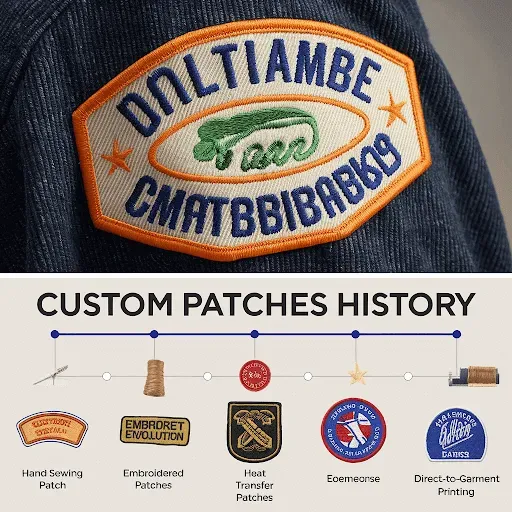
History of patches is a surprisingly colorful thread weaving through military, labor, subculture, and high fashion. From practical identifiers on rugged uniforms to symbols of belonging, patches tell stories of identity, craft, and community across generations, reflecting patch design and manufacturing. Over centuries, design and technique evolved from simple embroidery to durable machine stitching, shaping both utility and meaning, including military patches evolution as doctrines and craft changed. Today, embroidered patches fashion dominates jackets and bags, transforming function into personal style. Collectors contribute to patch collecting history by trading relics, studying backings, and provenance, enriching the story with community and memory.
Beyond the phrase History of patches, the story can be framed through insignia, badges, and embroidery motifs that began on military uniforms and textiles. Fabric emblems, textile badges, and patch motifs migrated into everyday wear, collections, and streetwear, expanding the vocabulary of wearable history. The evolution travels from hands-on needlework to automated production, where backing types, materials, and finishing techniques shape durability and display. As a subculture forms around collecting and authenticating these symbols, researchers trace provenance, eras, and maker marks that reveal the patch ecosystem. In contemporary design, brands reinterpret the motif as both heritage homage and fresh branding, illustrating how textile emblems continue to connect past and present.
1) History of patches: From Military Badges to Modern Symbols
The history of patches begins with a practical need: clearly identifying units, ranks, and campaigns on fabric that wore out quickly. Early patches were embroidered or appliqued insignia designed to be legible from a distance, reinforced for durability in rough conditions, and easily recognized on the battlefield. This practical origin marks the starting point of the history of patches, where utility is fused with meaning.
As armies modernized, patches evolved through embroidery, appliqué, and machine stitching. Soldiers and craftsmen developed techniques to repair and replace worn insignia, creating durable badges that could endure rain, mud, and long campaigns. This period established the foundation for the broader cultural journey of patches, shaping how they recorded history and identity across generations.
2) The Military Patches Evolution: From Utility to Cultural Icons
The military patches evolution mirrors advancements in embroidery and production. From simple unit marks to intricate symbols, patches began to balance readability at a distance with distinctive design, ensuring easy recognition while conveying heritage. The shift toward mechanized stitching and standardized production expanded the scale and consistency of patch programs across armies.
As conflicts ended and soldiers re-entered civilian life, patches moved beyond the field into wardrobes and collections. The transition sparked a broader interest in viewing patches as cultural artifacts—capable of telling personal stories, commemorating campaigns, and signaling allegiance to clubs, causes, or communities.
3) Embroidered Patches Fashion: Stitching Style Into Streetwear
Embroidered patches fashion has transformed textile badges into wearable art. From denim jackets to backpacks, embroidered patches offer a quick, expressive way to customize garments, convey humor, or signal identity. The aesthetic power of embroidered patches lies in their tactile texture, color depth, and legible storytelling even at a glance.
Contemporary designers and streetwear labels have elevated patches through collaborations, limited editions, and artist-designed sets. These partnerships fuse heritage motifs with modern sensibilities, highlighting the versatility of patches as both decorative accents and branded statements—demonstrating how patch design and manufacturing can drive high-fashion and grassroots style alike.
4) Patch Collecting History: A Global Subculture of Memorabilia
Patch collecting history reveals a vibrant subculture that spans military, aviation, music, and motorcycling communities. Early collectors pursued patches from historic units, famous campaigns, or corporate insignia, while modern enthusiasts study stitching techniques, maker marks, and backing types to authenticate items. This subculture grew into a nuanced field where provenance and era define value.
Collectors prize patches for rarity, condition, and cultural significance—limited runs, special editions, or items tied to iconic moments in sports, music, or politics can become coveted artifacts. The patch collecting history sits at the intersection of history, art, and material culture, turning simple badges into archival treasures and social currency.
5) Patch Design and Manufacturing: Craft, Technology, and Materials
Patch design and manufacturing blends traditional craft with modern technology. Early patches relied on hand embroidery and simple appliqué, while today’s processes integrate automated embroidery, digital design tools, and complex color palettes. Materials range from cotton and felt to heat-seal fabrics, iron-on backing, and PVC, with the production pipeline influencing durability, cost, and wearability.
From concept to backing and finishing, designers navigate a pipeline that balances aesthetics with practicality. Vector artwork, thread selection, stitch types, and backing choices all determine how the final patch performs on denim, leather, or canvas, shaping everything from price to longevity in fashion and function.
6) Patches in Everyday Life and the Future of Patch Culture
Patches remain a versatile tool for expression in everyday life—covering wear and tear, reinforcing fabric, or sparking conversation. The patch’s enduring practicality, along with a wide spectrum from vintage embroidery to glossy PVC, ensures its continued relevance in a culture that values personal storytelling.
Looking ahead, the patch ecosystem is likely to embrace sustainability, ethical manufacturing, and on-demand production. DIY patch kits, digital design workflows, and custom printing are poised to empower individuals to create truly unique pieces, while collaborations and heritage-inspired varieties keep the patch culture vibrant and evolving.
Frequently Asked Questions
What is the History of patches and how did military patches evolve into a broader symbol of identity?
The History of patches begins with military insignia designed for quick recognition on rugged uniforms. Over time, the use broadened beyond units to signal achievement, belonging, and personal stories in civilian life. This evolution helped patches become symbols in workwear, clubs, and fashion, shaping their cultural meaning, a trajectory rooted in the military patches evolution that influenced durability and placement.
How did the military patches evolution influence civilian patch design and manufacturing?
The military patches evolution highlighted the need for visibility from a distance and durable construction. In patch design and manufacturing today, these lessons translate into durable embroidery, clear borders, and versatile backings like iron-on or PVC, produced at scale or in small runs to suit various uses.
How has embroidered patches fashion evolved from military insignia to mainstream style?
Embroidered patches fashion shifted from strictly functional insignia to personal expression, appearing on jackets, bags, and streetwear collaborations. Designers now use dense embroidery, varied fabrics, and flexible backings to fit modern silhouettes while maintaining legibility and character.
What is patch collecting history and what drives enthusiasts today?
Patch collecting history shows a hobby built around provenance, era, and maker marks. Collectors seek military, aviation, music, and club patches, trading and displaying them to tell stories, with rarity and condition influencing value and display choices.
How does patch design and manufacturing affect patch durability and appearance across eras?
Patch design and manufacturing determine legibility, wash resistance, and attachment method. From hand embroidery to machine stitching and digital design, patches have evolved to read well at a distance and endure wear on denim, leather, or canvas.
Where is the History of patches headed in the future, especially regarding sustainability and on-demand production?
The History of patches points toward sustainable materials, ethical manufacturing, and on-demand patch printing. Expect more limited editions, digital design workflows, and story-rich patches that honor tradition while enabling personal expression.
| Key Point | Summary |
|---|---|
| Origins | Patches began as practical identifiers for units, ranks, and achievements on durable fabric, designed to be recognizable at a distance and to withstand field wear. |
| Embroidery, Production, and Craft | The craft evolved from hand embroidery and appliqué to automated embroidery, digital design, and diverse materials, shaping the production pipeline from concept to backing and finishing. |
| Civilian Life and Adoption | Military patches migrated to civilian life, becoming fashion pieces and collectible items that tell personal stories and mark memories beyond military service. |
| Patch Collecting History | A subculture grew around collecting patches from military units, aviation, music, clubs, and sports, with provenance and condition driving value and authentication. |
| Modern Fashion and Streetwear | Designer collaborations, limited editions, and expressive embroidery expand patches into urban and couture aesthetics, signaling identity and trend. |
| Everyday Practicality | Patches continue to serve functional roles (repair, reinforcement) while enabling personal style—varying in materials, finishes, and wearability. |
| Future Trends | Sustainability, digital design, on‑demand printing, and DIY patch kits point to a more personalized and responsible patch culture. |
Summary
HTML table explaining the key points of the base content in English. The table covers origins, evolution in craft, civilian adoption, collecting culture, modern fashion, everyday practicality, and future trends of patches.