
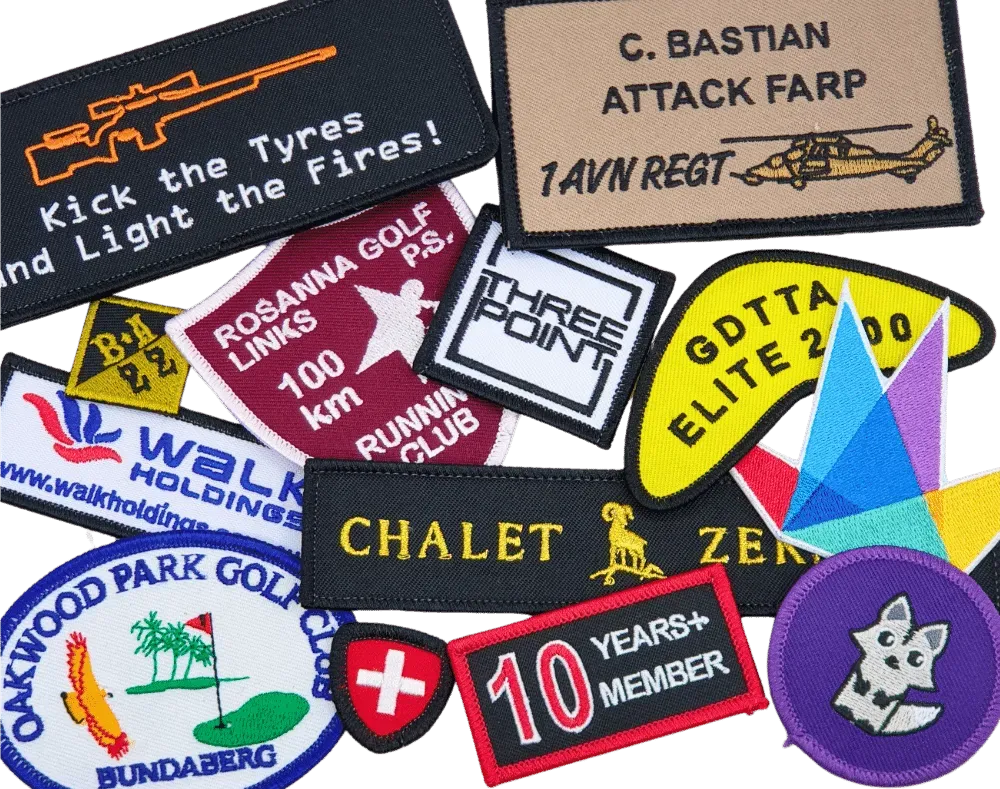
Long-lasting custom embroidered patches are a testament to how craftsmanship and durability can coexist, delivering badges and accents that endure the rigors of daily wear and frequent laundering while still conveying color, shape, and character across seasons and shifts in use, so brands can maintain consistency from the first stitch to the long tail of a product line. Key to this resilience are durable embroidery threads that resist fraying and fading, paired with a sturdy fabric foundation and dense stitching that keep motifs sharp even after repeated washing while remaining compatible with a variety of garment weights and finishes and compatible with seasonal changes. Colorfast threads help colors stay true after many wash cycles, while careful selection of backing and edge finishes minimizes puckering and edge wear that can undermine legibility over time. We also consider stabilization, attachment methods, and finishing techniques as critical levers, ensuring the patch retains its flat profile, adheres reliably, and resists curling when exposed to sun, moisture, or abrasion, while maintaining comfort and flexibility on a range of fabrics and applications. By combining these elements with clear care instructions for wearers, you create patches that remain legible, durable, and on-brand for years to come, offering dependable branding, visibility in the field, and a compact story that travels with your team, while also enabling easier retouching, repair, and longer service life.
From a broader materials science perspective, these badges of identity embody durable fabric ornamentation built to withstand routine use, laundering, and harsh environments. Instead of focusing on a single material, designers explore a network of supportive elements such as robust fabric bases, stable stabilizers, and reliable attachment strategies that together ensure lasting visibility and adhesion. In practical terms, this means choosing robust base fabrics, resilient threads, and durable backing systems that resist distortion, color shift, and edge wear across years of service. This approach mirrors trends in product personalization where longevity and maintainability are prioritized, turning decorative patches into trusted emblems that accompany teams, clubs, and brands through seasons of activity.
1. Why Material Choice Drives Patch Longevity
Material selection is the foundation of patch durability. The fabric, thread, stabilizer, backing, and edge finishing interact with daily wear, sun exposure, and moisture to determine how long a patch remains vibrant and secure. Durable embroidery threads are essential, as they resist fraying and fading, helping the design endure through countless wears and washes.
Additionally, the backing and attachment method must harmonize with the chosen materials. A high-quality patch backing supports secure attachment whether you sew, iron-on, or use an adhesive, and choosing colorfast threads alongside a heat-resistant backing helps preserve color and adhesion through repeated laundering and exposure.
2. Patch Fabrics for Endurance: Twill, Canvas, Denim, and Leather
The base fabric sets the stage for resilience. Twill offers abrasion resistance and a traditional look, while canvas provides rugged durability and moisture resistance for gear that sees tough environments. Denim brings a durable aesthetic, and leather or faux leather delivers a premium feel with solid longevity when backed properly.
When selecting fabric, consider how it interacts with finishing and backing. For patches meant for outdoor use or heavy activity, pairing the chosen fabric with waterproof patch materials can help protect stitches and edges from moisture, while a high-quality patch backing keeps the patch flat and reduces puckering over time.
3. Embroidery Threads That Withstand Repeated Washes
Thread choice is the visible life of a patch. Durable embroidery threads, especially polyester, provide excellent abrasion resistance, colorfastness, and UV stability, helping colors stay true after many wash cycles and outdoor exposure.
To maintain vibrancy, prioritize colorfast threads that resist migration and fading across fabrics and laundering conditions. If you opt for rayon or viscose or metallic threads, pair them with protective edge finishes and careful stitching to maximize longevity, ensuring the overall design remains cohesive through time.
4. Stabilizers and Backing: Keeping Edge and Stitch Integrity
Stability is essential to prevent distortion as patches age. Tear-away stabilizers are convenient for soft finishes, while cut-away stabilizers provide permanent support on stretchy or heavy-usage fabrics. Fusible stabilizers offer heat-assisted ease, but must be compatible with the fabric to avoid puckering.
Backing quality matters just as much as the stitching. A high-quality patch backing supports the embroidery, resists curling, and maintains shape under stress. When the backing aligns with fabric weight and application (sewn, iron-on, or adhesive), the patch gains greater longevity and a cleaner, longer-lasting appearance.
5. Edges, Densities, and Attachment Methods for Longevity
Edge finishing and stitch density influence how well a patch holds up at the edges. Merrow borders provide a tight, durable seal that reduces fraying, while satin stitch density adds resilience—balanced to avoid puckering on the chosen fabric.
The method of attachment dramatically affects long-term performance. Sew-on backing is typically the most durable for patches exposed to frequent washing or harsh environments. For convenience, iron-on backing or heat-activated adhesives can be used, but pairing them with a robust backing and thoughtful edge finishes is key to preserving adhesion and edge integrity.
6. Care, Maintenance, and How to Create Long-Lasting Custom Embroidered Patches
Care guides are simple but powerful in extending patch life. Gentle washing with cold water and mild detergent, air drying, and avoiding direct heat from dryers help preserve stitch integrity and backing adhesion. Regular inspection for edge lifting or loose threads allows timely touch-ups to prevent further damage.
When designing patches, plan with longevity in mind by selecting durable embroidery threads, high-quality patch backing, colorfast threads, heat-resistant backing, and waterproof patch materials. Document care instructions for customers and source reputable suppliers to ensure the materials you rely on meet performance expectations. By combining these elements with robust fabrics and precise finishing, you can create long-lasting custom embroidered patches that endure years of use.
Frequently Asked Questions
What materials are essential for creating long-lasting custom embroidered patches?
Choose durable fabrics such as twill, canvas, denim, leather, or waterproof patch materials for outdoor exposure. Use durable embroidery threads (polyester) with colorfast properties, stabilized appropriately, and finish with a high-quality patch backing and a strong edge finish to maximize longevity.
How do durable embroidery threads impact the life of long-lasting custom embroidered patches?
Durable embroidery threads, especially polyester, provide abrasion resistance, colorfastness, and UV stability, helping patches resist fraying and fading through repeated washings and sun exposure.
Why is high-quality patch backing important for long-lasting custom embroidered patches?
A high-quality patch backing supports secure attachment and keeps patches flat, reducing curling. Choose backing that matches fabric weight and application, and consider heat-resistant backing for areas with high heat.
What is the role of colorfast threads in long-lasting custom embroidered patches?
Colorfast threads minimize color migration and fading after wash cycles, helping designs stay vivid over time.
Which edge finishing and backing options maximize longevity of long-lasting custom embroidered patches?
Merrow borders seal the edge for durability, while satin stitch density should be balanced to resist abrasion. For heavy wear, use sew-on backing and, when appropriate, cut-away stabilizers or heat-resistant backing.
How can care and maintenance extend the life of long-lasting custom embroidered patches?
Follow gentle washing with cold water and mild detergent, air dry instead of a dryer, and avoid direct heat when ironing. Regularly inspect patches and resew or touch up as needed to prevent edge lifting.
| Aspect | Key Points | Notes |
|---|---|---|
| Patch fabrics | Twill (abrasion-resistant, traditional look); Canvas (rugged, moisture resistant); Denim (wear-resistant, stylish); Leather/faux leather (premium look) | Trade-offs: heat exposure, backing compatibility, embroidery density considerations for durability |
| Embroidery threads | Polyester (durable, colorfast, UV-stable); Colorfast threads (minimize color migration); Rayon/viscose (vibrant but less colorfast); Metallic/specialty threads (impact with caution) | Choose suppliers with colorfastness data; pair rayon with protective edge when used |
| Stabilizers and backing | Tear-away (soft backing, removable); Cut-away (permanent support on stretchy fabrics); Fusible (reduces puckering); High-quality backing resists curling | Match backing to fabric weight and intended application for longevity |
| Edge finishing and densities | Merrow borders (durable, clean finish); Satin stitch density (resilience; balance to avoid puckering); Laser-cut edges (modern look, needs backing support) | Edge finishing influences durability and appearance; adjust density to fabric support |
| Backing options and attachment methods | Sew-on (most durable); Iron-on (convenient but less durable with wear); Heat-activated adhesives; Velcro/removable; Heat-resistant backing | Choose based on expected use, washing, and longevity requirements |
| Waterproofing and weather resistance | Waterproof materials/coatings; UV resistance; Finishes for spray and wash resistance | Select finishes suitable for exposure conditions and care instructions |
| Care and maintenance | Gentle washing; Air dry; Ironing precautions; Regular inspection | Provide clear care instructions to customers to maximize life |
| Choosing materials for your brand | Balance cost with longevity; consider environment, washing frequency, and aesthetic; outdoor gear vs fashion; prioritize durable threads, stabilizers, merrow borders, sew-on backing | Tailor material choices to use-case and brand story |
| Practical tips for longevity | Test materials together; choose reputable suppliers; document care instructions; consider audience needs | Pre-production testing helps predict performance in real-world usage |
Summary
Long-lasting custom embroidered patches are the result of thoughtful material selection and careful finishing. By choosing fabrics with abrasion resistance, durable embroidery threads, stable stabilizers, and strong backing, you create patches that endure daily wear, washing, and outdoor conditions. When paired with appropriate edge finishes and reliable attachment methods, patches retain their color, shape, and adhesion over years. For brands aiming at maximum lifespan, emphasize colorfast threads, heat-resistant backings, and waterproof materials in product descriptions and care instructions to reinforce the value and durability of your patches.