
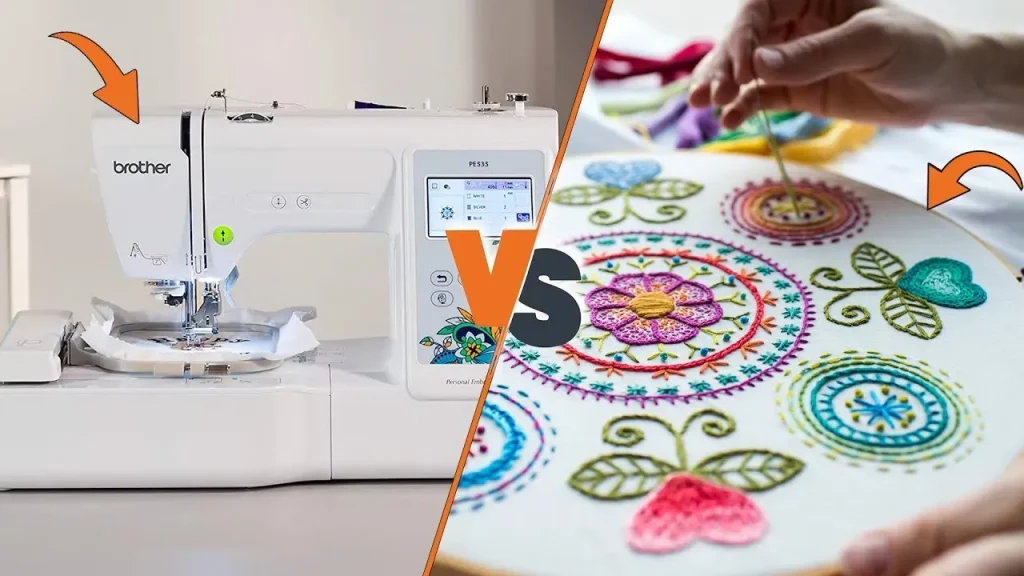
Machine embroidery vs hand embroidery defines two major paths in modern textile art, each with its own philosophy, shaping how designers approach texture, speed, and consumer expectations. Each approach brings a distinct texture, tempo, and potential for scalable production across fashion, decor, and art projects worldwide. Exploring machine embroidery techniques reveals how digitized designs translate into repeatable, precise stitches that can be mass-produced with consistent results. For hand embroidery enthusiasts, tactile texture, patient rhythm, and crafted imperfections offer a unique sense of craftsmanship and personality. Understanding the balance between speed, texture, fabric compatibility, and budget helps you choose the right method for a given project.
Beyond the obvious labels, this topic can be framed in terms of digital versus artisanal stitching, or automated versus handcrafted threadwork, where each choice shapes texture, scale, and finish. Computerized embroidery systems translate designs from software into repeatable stitches, while traditional needlework relies on the eye, rhythm, and the maker’s deliberate control. Choosing between these approaches hinges on project goals, fabric behavior, and whether consistency or individuality is paramount.
Understanding the Core Techniques: machine embroidery techniques vs hand embroidery techniques
Machine embroidery techniques rely on digitized designs loaded into computer- or unit-controlled systems. The process uses stabilizers, hoops, and carefully chosen threads to translate a file into precise stitches across fabric. This approach emphasizes repeatability and consistency, which makes it a staple for branding, uniform products, and large runs. By mastering machine embroidery techniques, you can achieve uniform results across multiple items with minimal variation.
Hand embroidery techniques emerge from direct hand control, stitch by stitch. Techniques such as backstitch, satin stitch, and French knots create texture, shading, and a tactile presence that is hard to replicate with automation. The hand-driven approach defines the project’s texture and personality, highlighting the maker’s skill and subtler nuances in each piece.
Machine embroidery vs hand embroidery: Key differences in texture, speed, and scalability
When speed and scalability matter, machine embroidery shines. Once a design is digitized, it can be reproduced across dozens or hundreds of items with consistent stitch length, color changes, and placement. This strength aligns with the pros of machine embroidery, especially for branding, licensing, and production runs without sacrificing uniformity.
Hand embroidery offers rich, tactile texture and human variation that machines struggle to imitate. The texture and nuance come from deliberate stitch tension and the artisan’s rhythm, making each piece subtly unique. This contrast highlights the ongoing debate between machine embroidery techniques and hand embroidery techniques when choosing the right method for a design.
How to Choose Embroidery Method: factors like fabric, budget, and timeline
Choosing an embroidery method starts with fabric, stabilizer compatibility, and planned timeline. Early decisions about fiber content and weave influence stitch density, pullout risk, and the final look. Considering how to choose embroidery method in relation to stabilizers and digitized designs helps ensure the selected approach will perform well on the intended fabric.
Budget and production goals also shape the decision. Machine embroidery requires an upfront investment in a compatible machine and digitizing software, plus ongoing maintenance and supplies. Hand embroidery, meanwhile, centers on thread, fabric, light, and time, offering lower entry costs for small projects but potentially slower throughput.
Pros and Cons of Machine Embroidery vs Hand Embroidery
Pros of machine embroidery include speed and scalability, precise repetition, and the ability to execute complex fills and multi-color designs with consistency. The approach supports easy replication and modification in software before stitching, leveraging machine embroidery techniques to achieve reliable branding across many items.
Hand embroidery offers rich texture, nuanced shading, and artisanal control over each stitch, with portability and quiet focus during practice. However, it comes with time-intensive workloads and greater variation from stitch to stitch. The hand embroidery techniques deliver a personal touch that many designers prize, even as the process demands patience.
Cost, Accessibility, and Setup for Embroidery Beginners and Pros
Cost considerations are central to deciding between machine embroidery and hand embroidery. Machine embroidery involves initial investment in a capable machine, digitizing software, stabilizers, and routine maintenance, followed by ongoing supplies and service. This setup can be cost-effective for large runs but requires planning and capital upfront.
Hand embroidery emphasizes the cost of time, thread, fabrics, and good lighting rather than expensive equipment. For small projects or gifts, this often translates to lower upfront costs and higher perceived value through personal touch. Accessibility increases as basic tools are affordable, though the trade-off is longer production timelines compared with machine-based methods.
Hybrid Approaches and Real-World Scenarios: When to Combine Techniques
Hybrid approaches blend machine and hand methods to balance efficiency with texture. For example, machine-stitched outlines or fills can establish structure, while hand-filled textures add depth, sheen, or shading that elevates the design. This strategy aligns with practical scenarios where the strengths of both approaches complement each other.
Real-world projects often benefit from combining methods: branding on apparel can use machine embroidery for uniform logos, while heirloom or couture elements receive hand embellishment for character. By leveraging a hybrid workflow, designers can achieve professional, scalable results without sacrificing the handmade feel, addressing the machine embroidery vs hand embroidery pros cons through a tailored mix of techniques.
Frequently Asked Questions
What is the difference between machine embroidery and hand embroidery in terms of techniques?
Machine embroidery vs hand embroidery techniques rely on different approaches. Machine embroidery techniques use digitized designs loaded into a computer or embroidery unit with stabilizers and hoops for precision. Hand embroidery techniques rely on a needle and thread and the maker controls each stitch by hand, producing texture and variation. In short, machine embroidery is fast and repeatable, while hand embroidery offers tactile depth and personal nuance.
What are the pros and cons of machine embroidery vs hand embroidery?
Pros of machine embroidery include speed, consistent results, scalability, and the ability to execute complex fills. Cons include upfront costs, software learning curves, and fabric stabilization challenges. Pros of hand embroidery include rich texture, artistic control, portability, and no electricity for many techniques, but it is time consuming, prone to natural variation, can cause fatigue, and is less suited for large runs.
How to choose embroidery method for a project between machine embroidery vs hand embroidery?
To choose between machine embroidery vs hand embroidery, start with project goals. For speed and uniform branding, machine embroidery is often the better choice. For texture and a handmade feel, hand embroidery shines. Consider fabric compatibility, budget, timeline, and whether you want to replicate a design many times. A hybrid approach can combine both methods for the best results.
Can machine embroidery replicate the texture of hand embroidery?
Can machine embroidery replicate the texture of hand embroidery? Machine embroidery can mimic texture through dense fills and varied thread types, but deeper nuance and a human touch are still difficult to fully reproduce. For some designs, a hybrid approach that uses machine outlines with hand filled texture yields the best result.
Which machine embroidery techniques and hand embroidery techniques are commonly used together?
Which machine embroidery techniques and hand embroidery techniques are commonly used together? Machine embroidery techniques such as digitized satin fills, zigzag outlines, and applique can establish structure, while hand embroidery techniques like backstitch, satin stitch, stem stitch, French knots, and couching add texture and detail. A hybrid workflow blends machine outlines with hand filled textures or adds hand embellishment after stitching.
What should beginners know about cost and accessibility when weighing machine embroidery vs hand embroidery?
What should beginners know about cost and accessibility when weighing machine embroidery vs hand embroidery? Machine embroidery involves upfront costs for a machine, digitizing software, stabilizers, threads, and maintenance, with ongoing supplies. Hand embroidery has lower equipment costs but requires time and skill, which is a different investment. For beginners, weigh long term goals, whether speed and consistency or texture and hand work matter most.
| Topic | Key Points | Notes / Examples |
|---|---|---|
| Definition / Overview | Two core approaches define modern embroidery: machine embroidery and hand embroidery. | Intro to the topic and how choices affect timelines, textures, and the project’s feel. |
| How machine embroidery works | Uses computerized/mechanical systems to stitch programmed designs onto fabric with an embroidery hoop/frame and stabilizers. | Designs are digitized and loaded into the machine for precise, repeatable stitches. |
| How hand embroidery works | A tactile craft driven by needle and thread, relying on the artisan’s rhythm. | Focus on control, texture, and the human touch in every stitch. |
| Pros of Machine Embroidery | Speed and scalability; Precision and consistency; Complex patterns and fills; Productivity with less fatigue; Easy replication and modifier flexibility. | Ideal for branding and large batches; repeatable results across items. |
| Cons of Machine Embroidery | Upfront and ongoing costs; Learning curve; Fabric and stabilizer considerations; Less organic texture; Dependency on electricity. | Requires ongoing maintenance and software; texture may feel less hand-made. |
| Pros of Hand Embroidery | Rich texture and nuance; Artistic control; Quiet, portable practice; No electricity needed for many techniques; Works well with natural fabrics. | Ideal for heirloom pieces and artisanal details; unique variations. |
| Cons of Hand Embroidery | Time-intensive; Inconsistency by nature; Physical strain; Limited replication; Material limits for large projects. | Not typically suited for large-scale production; manual skill requirement. |
| Cost and Accessibility | Machine embroidery involves investment in a compatible machine, digitizing software, stabilizers, threads, and maintenance. Hand embroidery centers on needles, threads, fabrics, and good lighting. | Time vs. financial cost varies: machines vs craft supplies; hand embroidery emphasizes time and skill over equipment. |
| Techniques (Quick Compare) | Machine: digitized satin fills, zigzag outlines, cross-stitch simulations, appliqué underlays, multi-density textures. | Hand: backstitch, satin stitch, stem stitch, fly stitch, French knots; varied threads for texture and sheen. |
| Choosing Between | Machine for speed, uniformity, and large runs; Hand for texture, personalization, and artistry. | Consider fabric compatibility, budget, and the goal of the piece. |
| Scenarios & Examples | Custom apparel with logos (speed and consistency); Heirloom napkins or monograms (depth and personal touch); Couture accents often use a mix. | Hybrid approaches common: machine for structure, hand for detail. |
| Tips for Best Results | Machine: digitize high-quality designs, choose stabilizers, test density on scraps. | Hand: choose appropriate thread weights, practice tension, ensure good lighting and magnification for detail. |
| Common Misconceptions | Machine embroidery is not always perfect; Hand embroidery is not simply slow or outdated; No method is inherently superior. | The best choice depends on goals, budget, time, and texture—often a blend yields the best results. |