
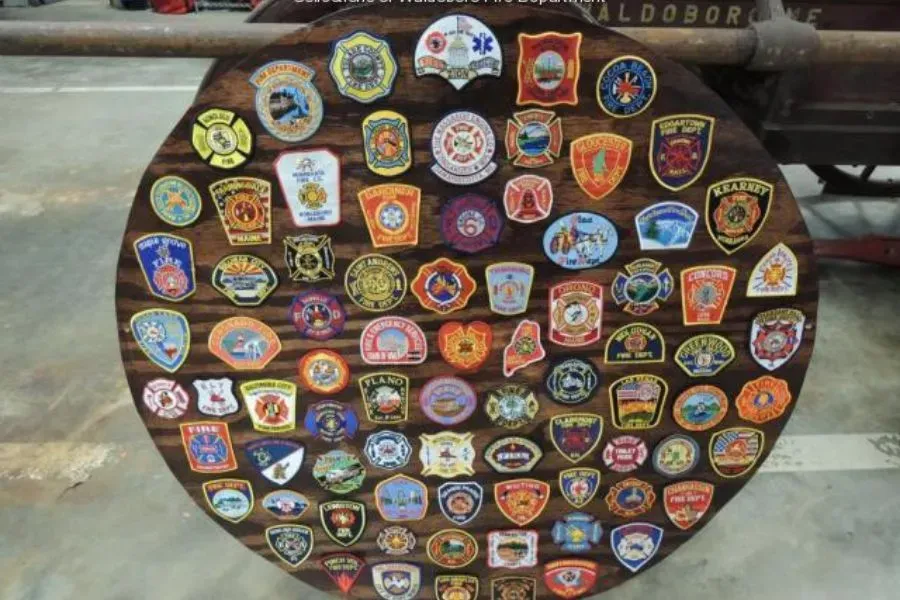
Patch collection is more than a hobby—it’s a living library of memories, organizations, events, and personal milestones. Seen as a patch library, your collection becomes easier to navigate, share, and expand with purpose. To start, craft a clear scope and a simple plan that anchors how you approach your collection. Organize your items with a practical system that blends physical and digital records. This approach helps you begin thoughtfully and set the foundations for growth.
In broader terms, a patch collection can be seen as an insignia archive—a curated set of badges and patches that map your personal journey. This semantic framing invites you to think of it as a badge assortment, an emblem catalog, or a digital ledger linking physical pieces to their stories. By explicitly naming elements such as patch organization, you reinforce a shared vocabulary that helps fellow enthusiasts and search engines alike. Above all, the aim is to grow your patch collection thoughtfully, while implementing patch storage ideas that keep the archive tidy and accessible. For readers new to collecting, this broader lens helps connect patches to events, organizations, and eras, making it easier to appreciate context and the stories behind each emblem. As your catalog grows, a routine of consistent metadata, clear labeling, and thoughtful presentation invites discussion, research, and sharing with fellow enthusiasts who value provenance as much as aesthetics. If you visualize your patch collection as a living archive, it becomes easier to plan purchases, trades, and exhibitions with intention rather than impulse. The result is a welcoming resource that scales with time, inviting new members to contribute, learn, and celebrate the patches that shaped your journey.
Patch collection as a Living Library: Defining Scope and Story
A Patch collection functions as a living library, where each patch carries a memory, maker, and moment in time. By treating your collection as a story, you can craft a clear scope that guides what to collect and what to pass over. Defining this focus makes sourcing easier at conventions, thrift stores, and online marketplaces, and helps your Patch collection grow with intention.
With a defined scope you can arrange patches by theme, era, or origin, building a narrative arc. Consider focusing on military insignia, club patches, or pop culture designs, then document decisions in your Patch library notes. This narrative framing improves searchability and aligns with LSI signals such as patch library and grow your patch collection.
Patch Organization: From Physical Storage to a Digital Catalog
Effective patch organization blends hands-on storage with a searchable digital catalog. Use acid-free sleeves, binders, and display boards to keep patches accessible while preserving texture and color. A two-pronged approach makes it easy to reference patches during shows or before purchase.
In the digital realm, metadata anchors patch organization by year, maker, size, and provenance. A robust digital catalog supports cross-referencing, backups, and sharing with fellow collectors. This synergy between physical storage and digital records is at the heart of a durable Patch library system that scales as your collection grows.
Grow Your Patch Collection: Practical Patch Collecting Tips and Mindful Buys
Growing your Patch collection should be intentional. Employ patch collecting tips such as setting yearly targets, maintaining a wishlist, and avoiding impulse buys. Attend conventions, join clubs, and use reliable online marketplaces with clear photos and condition notes to expand your holdings.
Trading with other collectors and network building can diversify your Patch collection while keeping costs in check. Document trades in your Patch library to track provenance and ensure the balance of themes remains aligned with your scope. By treating growth as a curated process, you’ll build a richer, more meaningful archive.
Patch Storage Ideas: Preserving Patches with Material- and Environment-Safe Practices
Patch storage ideas emphasize protective materials and stable environments. Keep patches flat with acid-free sleeves and boxes, and use UV-protective display options to preserve color over time. A controlled humidity level and temperature minimize pests and fabric deterioration.
Rotating displays and labeled boxes help you manage the physical footprint while still allowing you to enjoy your patches. Pair physical storage with a digital backup of images to safeguard against misplacement and make retrieval faster during show-and-tell sessions or sharing with friends in your Patch library.
Building a Patch Library: Metadata, Provenance, and Easy Retrieval
A patch library gains value from metadata that captures the patch name, maker, year, size, and source of acquisition. Detailed notes about provenance and any restoration work add depth and reliability for future researchers and enthusiasts. This metadata layer transforms a simple collection into an accessible archive.
Labeling and organizing by themes, years, or sources makes searching intuitive and supports patch organizing goals. A well-maintained library also reduces duplicates and helps you plan future acquisitions, aligning with the broader concept of a patch library and supporting your long-term goal to grow your patch collection.
Display and Share: Showcasing Your Patch Collection at Home and Online
An engaging display strategy brings your Patch collection to life, whether you’re rotating patches in a shadow box or curating a tabletop gallery. Pair patches with captions that tell origin stories, maker information, and notable events to create conversation starters at gatherings.
An online presence expands your audience through high-quality images and a well-structured digital catalog. Sharing your Patch library with fellow enthusiasts invites feedback, provenance tips, and potential trades, reinforcing community and helping you grow your patch collection through collaboration.
Frequently Asked Questions
What is a patch library and how do I start one?
A patch library is a curated Patch collection organized to tell a story. Start by defining a clear scope, draft a simple collecting plan, set up a reliable physical storage system, and build a digital catalog with metadata such as patch name, maker, year, source, size, and condition. This two-pronged approach makes patch storage ideas and organization easy to manage and helps your patch library grow thoughtfully.
What are patch collecting tips for beginners?
Begin with a focused patch collecting plan: define your theme, set budgets, and decide between physical and digital catalogs. Attend conventions and use patch library resources to verify provenance, avoid duplicates, and build a starter set that reflects your interests. Keep notes and photos to support your patch collecting tips and sustain long-term enjoyment.
How can I improve patch organization to manage my collection?
Organize patches by a consistent system: use metadata fields (name, maker, year, source, size, condition) and cross-reference patches in a digital catalog that links to high-res images. Maintain a physical storage plan (acid-free sleeves, binders, or shadow boxes) and periodically audit the collection to ensure items are properly labeled and easy to reference.
How can I grow your patch collection responsibly and sustainably?
Grow your patch collection with intention: set annual goals, trade with other collectors, and purchase from reputable sellers. Use a digital catalog to track acquisitions, avoid duplicates, and prioritize patches that add to your story. By aligning purchases with your patch collection plan, you can expand thoughtfully without clutter.
What patch storage ideas help preserve patches and display them nicely?
Consider patch storage ideas that balance preservation and display: acid-free sleeves and binders for flat patches, shadow boxes for larger pieces, UV-protective framing, and labeled storage boxes for organized subsets. Pair physical storage with a digital image library so you can reference patches without handling them and preserve color and material quality.
Why is defining a scope important in a patch library and how do I keep it consistent as I grow?
Defining a scope gives your patch library a clear collecting narrative and prevents scope creep. Start with a simple plan, write down goals, and revisit them periodically. Keeping the patch library focused makes sourcing easier, supports patch organization, and ensures your growth aligns with your original vision.
| Aspect | Key Points |
|---|---|
| Introduction |
|
| Why start a patch library? |
|
| Getting started: defining scope and goals |
|
| Organizing your Patch collection |
|
| Physical storage ideas |
|
| Digital cataloging: metadata |
|
| Acquisition strategies |
|
| Balancing quality, value, and interest |
|
| Maintaining and preserving |
|
| Common collection pitfalls |
|
| Display ideas |
|
Summary
Patch collection is a journey that takes time, intentionality, and ongoing curiosity, growing into a living library of memories, organizations, events, and personal milestones. Building a Patch collection that functions as a true Patch library requires defining a clear scope, investing in reliable storage and an accessible digital catalog, and adopting a growth strategy aligned with your budget and interests. As the collection expands, focus on storytelling as much as on objects themselves, because the strongest Patch collection is about the stories they tell and the joy they bring. With a thoughtful system in place, your Patch collection will continue to inspire, educate, and connect you with a broader world of enthusiasts for years to come.