
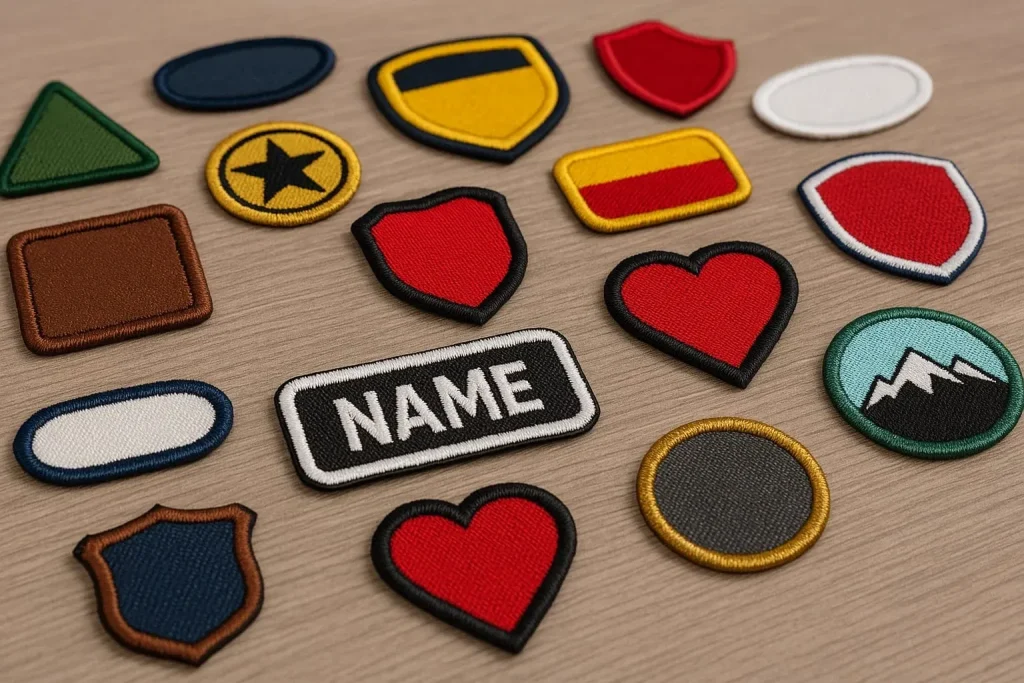
Patch Design 101 opens the door to a practical, creative world where fabric becomes a storytelling canvas. It blends passion with production know-how, guiding you from concept and sketch to production-ready files that work for custom patches for bags. Whether you’re building a signature line or personalizing gear, the framework emphasizes shape, color, legibility, and the craft of patch design ideas. You’ll explore options from embroidery to PVC and learn how backing, borders, and stitch counts influence durability on bags and jackets. By the end, you’ll have a practical roadmap that balances storytelling with manufacturability and sets you up to create patches that look great and wear well.
Viewed through an alternate lens, this topic becomes badge creation for fabric, emblem design for apparel, and textile adornment that tells a brand story. Other terms you might encounter include emblem patches, fabric badges, and accessory insignias, all sharing the same goal: durable, visually distinct emblems that survive wear. The core concepts—shape, color, typography, backing, and edge finishing—translate across materials and production methods, reinforcing the same design logic. Whether you call it a patch, badge, or insignia, the process remains a practical workflow from concept to final application.
Patch Design 101: From Concept to Creation for Bags and Jackets
Patch Design 101 is more than decoration—it’s a practical, creative, and technically informed workflow for turning ideas into wearable art on bags and jackets. This introduction anchors your work in fundamentals while weaving in the realities of production, including considerations for custom patches for bags and embroidered patches that influence material choice and finish.
From concept to execution, Patch Design 101 helps you evaluate a patch concept from both artistic and technical angles. You’ll learn how to balance readability, storytelling, and manufacturability so a patch reads clearly at a distance and up close, whether it’s sewn onto a bag strap or a jacket sleeve. The guide also surfaces related paths like how to design patches and the role of different patching techniques—from embroidered patches to modern PVC options—so you can choose the right approach for your project.
How to Design Patches: Core Elements for Readability and Style on Fabrics
Design starts with the fundamentals: shape, color, motif, typography (when text is used), and finish. For anyone learning how to design patches, it’s essential to balance aesthetics with production realities such as thread count, stabilizers, backing material, and the chosen method. This section emphasizes evaluating your concept for legibility and impact on bags and jackets while keeping the process aligned with Patch Design 101 principles.
In practice, the core elements include shape and silhouette, a color palette that pops on fabric, a motif that tells a short story, and typography that remains legible at patch scale. Borders and backing—satin, merrow, heat-cut, or laser-cut—ultimately affect durability and appearance. By understanding these choices, you’ll optimize both the look of your patch and its performance on different fabrics.
Embroidered Patches vs. Woven and PVC: Choosing the Right Technique for Bags and Jackets
When selecting a production method, embroidered patches offer timeless appeal and durability on textured fabrics, making them a popular choice for bags and jackets. Woven patches bring fine detail with a flatter finish, which can be ideal for small text and subtle branding. PVC patches stand out with bold color and a tactile, three-dimensional feel—great for strong logos and oversized motifs.
Each technique requires different stabilizers, backing adhesives, and finishing options. By weighing the trade-offs in regard to fabric type, washability, and wear, you’ll decide whether embroidered patches, woven patches, or PVC patches deliver the best balance of aesthetics and longevity for your product line.
DIY Patches for Jackets: A Step-by-Step Home Workflow
DIY patches for jackets start with a clear concept, followed by a digital design that can be translated to your embroidery machine or patch printer. Step-by-step planning helps you select the patch type, prepare stitch plans or weaving maps, and choose the backing and edge finish that suit daily wear on jackets.
The workflow emphasizes testing on fabric swatches before full production, adjusting color stops and thread density, and refining the design for the final textile. Attaching and care instructions ensure your patches endure washing and abrasion while maintaining their shape and color over time, making DIY patches for jackets a practical and satisfying craft.
Patch Design Ideas for Bags: Storytelling, Sets, and Collectible Designs
Patch design ideas thrive when you deploy narrative concepts across a set of patches. Thematic mini-collections with a narrative arc engage customers and encourage curated styling on bags and jackets. This approach aligns with custom patches for bags by creating recognizable branding gestures that can be mixed, matched, and reimagined across seasons.
Practical ideas include mixing larger focal patches with smaller supporting ones, varying patch sizes within a collection, and introducing seasonal updates that refresh looks without replacing an entire line. A well-curated patch set adds value by boosting brand recognition and personal expression on everyday accessories.
Color Theory, Legibility, and Branding: Making Patches Shine on Bags and Jackets
Color theory is central to patch design. High-contrast color schemes ensure legibility from a distance and in motion, a key factor for patches on bags and jackets viewed under different lighting. This section covers practical color planning, balancing brand identity with production realities, and ensuring colorfastness across fabrics and climates.
Beyond color, typography and edge finishing influence legibility and durability. Selecting legible fonts, sizing text appropriately, and planning color palettes that align with patch production help maintain clarity after washing and wear. Through careful color and typography choices, patches stay compelling on bags and jackets while keeping production efficient.
Frequently Asked Questions
What is Patch Design 101 and why is it essential for creating custom patches for bags?
Patch Design 101 is a practical, step-by-step guide to turning ideas into wearable patches. It covers concepting, design, production, and testing, helping you create custom patches for bags by balancing shape, color, motif, typography, backing, and edge finishes with production realities. Whether you’re using embroidered patches, woven patches, or PVC patches, Patch Design 101 provides a framework to ensure clarity, durability, and impact.
How does Patch Design 101 inform choosing between embroidered patches and woven patches for jackets?
Patch Design 101 explains the trade-offs between embroidered patches and woven patches, including texture, detail, durability, and cost. It guides you in selecting suitable backing and edge finishes for jackets and helps you match the method to your design goals, whether you want bold branding or fine wording.
What is the step-by-step workflow in Patch Design 101 from idea to finished patch for bags?
In Patch Design 101, the workflow starts with a concept and rough sketch, then choosing patch type (embroidered, woven, or PVC). Next, you move to a digital design, map a color palette for your production method, plan stitch counts or weaving maps, and test on fabric before production. Patch Design 101 also guides you on how to design patches from idea to digital file to ensure the artwork translates well to bags.
What role does color theory play in Patch Design 101 for bags and jackets?
Color theory guides legibility, contrast, and brand identity in Patch Design 101. It helps you choose a palette that reads well from a distance on bags and jackets, accounts for colorfastness and thread availability, and aligns with your production method to maintain consistency across patches, fueling solid patch design ideas.
Is Patch Design 101 suitable for DIY patches for jackets and home projects, and what tools does it recommend?
Yes. Patch Design 101 includes a DIY patch creation workflow with steps from concept to backing choice, stitching plans, and fabric tests. It recommends tools like sketching supplies, vector or raster design software, an embroidery machine or printer, and appropriate backing options for DIY patches for jackets.
What common production pitfalls does Patch Design 101 help you avoid for patches on bags and jackets?
Patch Design 101 highlights pitfalls such as mismatched thread colors, underestimating backing, and overly complex motifs for small patches. It emphasizes testing on similar fabrics, validating stitch counts, and verifying color accuracy with swatches to ensure patches perform well on bags and jackets.
| Key Point | Description |
|---|---|
| Purpose of Patch Design 101 | Patch Design 101 is more than placing a motif on fabric; it’s a practical, creative, and technically informed process that helps brands, hobbyists, and makers transform bags and jackets into story-rich statements. It guides fundamentals, tools, and a step-by-step approach to patches that look great and are manufacturable across techniques from embroidery to PVC. |
| Core design elements | Shape, color, motif, typography (if text), and finish, balanced with production realities like thread count, stabilizers, backing material, and the chosen production method. |
| Planning from idea to sketch | Start with a solid concept aligned to your audience; translate it into a rough sketch; decide whether the patch will be embroidered, woven, or PVC—early decisions influence color choices and complexity. |
| From sketch to digital design | Move to a digital format using vector software to scale artwork without losing sharpness. For embroidery, use a limited color palette and stitch plan; woven uses tighter weaving; PVC uses extruded shapes and bold color blocks. Map a color palette to production. |
| Production considerations | Production method affects durability and appearance: embroidered patches offer timeless durability; woven patches provide flat detail for small text; PVC patches offer vibrant color and a soft feel. Different stabilizers, backing adhesives, and edge finishes (merrow, satin, laser-cut) are chosen to suit bags and jackets. |
| Color theory and legibility | High-contrast color schemes enhance legibility from a distance. Consider colorfastness and thread availability across fabrics and climates. Practical color planning balances brand identity with production realities. |
| Practical design ideas for bags and jackets | Thematic mini-collections, mix-and-match patch sets, size variety, and seasonal updates add value by enhancing recognition and personal expression on bags and jackets. |
| DIY patch creation: workflow | Step 1: define concept and patch type. Step 2: design digitally with compatible file formats. Step 3: choose backing and border. Step 4: plan stitches or weaving maps. Step 5: test on fabric swatch. Step 6: attach to bags or jackets and follow care instructions. |
| Common production pitfalls | Mismatching thread colors, underestimating backing, or overly complex motifs for small patches can lead to poor results. Start simple, validate stitch counts, and order color swatches. Test patches on similar fabrics to ensure adhesion and durability. |
| Takeaway / Conclusion | Great patch design hinges on clarity, storytelling, and thoughtful execution, balancing creative concept with production realities to create patches that are visually compelling and durable across bags and jackets. |
Summary
Table summarizes key points of Patch Design 101: purpose, core elements, planning, digital design, production, color, ideas, DIY workflow, pitfalls, and takeaways. After table, see conclusion for a descriptive recap with SEO focus on Patch Design 101.