
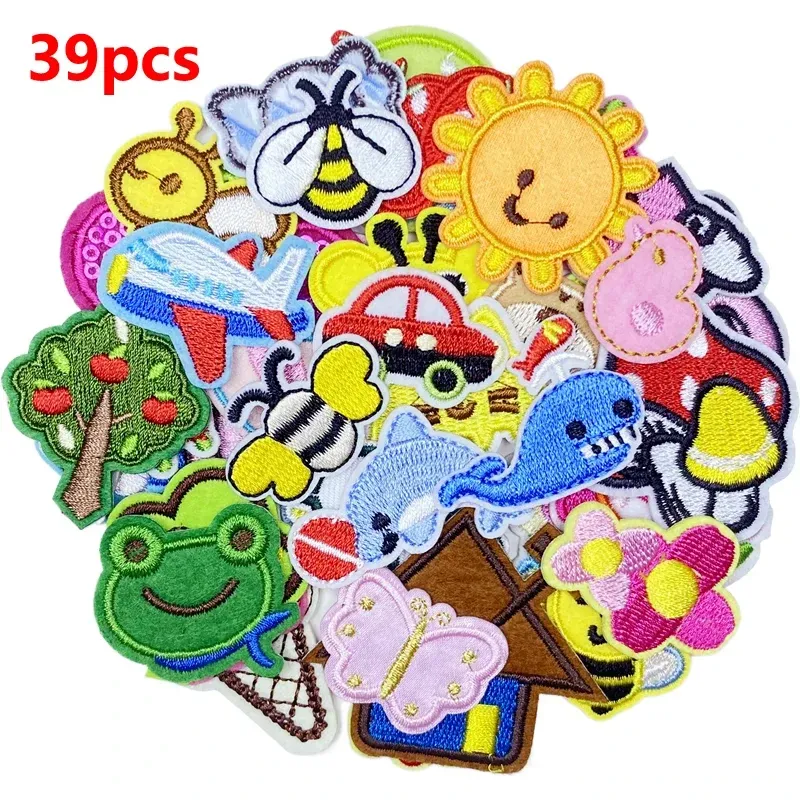
Patches for Kids is more than a trend; it’s a playful invitation to personal expression through wearable art. Families discover simple ways to customize jackets, backpacks, jeans, and hats with colorful patches, turning ordinary items into personal statements that are easy to switch out. This guide explains how kids clothing patches can transform ordinary garments into meaningful canvases that reflect personality and interests. By focusing on safety, quality, and age-appropriate designs, you can keep the project fun, approachable, and durable across many wears. From planning to care, this approach helps children build confidence while learning practical skills like measurement, placement, and basic stitching.
Beyond decoration, fabric embellishments for children merge imagination with practical skills and give everyday garments a fresh narrative. Think in terms of embroidery patches, sew-on patches, or iron-on patches as interchangeable components that suit different fabrics and ages. Other related concepts include wearable art for youngsters, DIY patch kits, and durable backing options that withstand frequent washing. Choosing materials that are non-toxic, colorfast, and machine washable keeps the activity safe and enjoyable for curious hands. Together, these terms create a holistic approach to customizing kids’ clothing that remains fun, affordable, and expressive.
Patches for Kids: Creative Style, Safety, and Skill-Building
Patches for Kids turn ordinary garments into a canvas for imagination, blending style with learning. When you introduce patches for kids, you invite children to curate designs, explore color, and tell personal stories on jackets, backpacks, hats, and more. This approach goes beyond fashion—it helps kids develop design thinking, fine motor skills, and pride in their own creations through kid-friendly patches.
As families choose and apply patches, they practice planning, measurement, and decision-making while keeping safety in mind. The process fosters collaboration between kids and caregivers and turns dressing up into a meaningful, hands-on activity that celebrates individuality with patches for kids, DIY patches for kids, and safe patches for children’s clothing.
Choosing the Right Patches for Kids Clothing
Choosing the right patches for kids clothing starts with understanding the garment, the child’s interests, and how often the item will be worn or washed. Look for kids clothing patches with durable backing, appropriate sizes, and themes that match the child’s passions. Iron-on patches for kids offer a quick route to customization on lighter fabrics, while sew-on patches excel on denim or activewear, giving you versatile options for patches for kids.
Quality matters more than flash. Check for sturdy borders, colorfast inks, and a backing that matches the garment’s care routine. Also consider safety: choose non-toxic materials and age-appropriate designs to ensure safe patches for children’s clothing and minimize choking hazards or skin irritation.
Iron-On Patches for Kids: Quick Customization and Care Tips
Iron-on patches for kids let you transform a jacket or backpack in minutes, making them ideal for busy families or beginners just learning DIY patches for kids. With heat-activated adhesives, you can apply patches for kids with a household iron, then reinforce the edges with a few stitches if desired.
Care and longevity come from following instructions and choosing appropriate fabrics. Wash items inside out on gentle cycles, air dry when possible, and avoid high heat that can degrade the adhesive of iron-on patches for kids. If a patch begins to peel, simply re-iron and, for extra security, stitch around the edge.
Sew-On and Embroidered Patches: Durability and Design Details
Sew-on patches provide long-lasting wear and are ideal for kids clothing patches that go through frequent washing. Embroidered patches add texture and a premium look, and they can come with or without an iron-on option, so you can choose a method that fits your project.
When applying sew-on or embroidered patches, alignment and edge finishing matter. Pin patches in place, stitch carefully around the border, and consider double-stitching for extra durability. These patches for kids are built to last through many adventures and washes.
Safe Patches for Children’s Clothing: Materials, Safety, and Care
Safety is the cornerstone of any kids’ craft. Choose patches with non-toxic materials, colorfast inks, and minimal small parts that could pose choking risks. For younger children, opt for patches with soft backing and heat-free options when possible, ensuring safe patches for children’s clothing.
Care and laundering guidelines help maintain safety and appearance. Turn garments inside out, wash on gentle settings, and avoid high heat drying that could loosen attachments. Regular inspections help you catch loose edges early and keep patches securely in place.
Creative Patch Projects for Kids: Themed Ideas and Maintenance
Discover themed ideas like story jackets, milestone patches, and seasonal collections to keep patches for kids exciting. Use DIY patches for kids to tell a narrative across a garment, combining characters, hobbies, and family memories while staying within safe patches for children’s clothing guidelines.
Maintenance, storage, and future updates round out the project. Store patches flat or in a labeled bag when not in use, and revisit old designs to refresh a wardrobe with new patches for kids as interests change. Regular care keeps kids clothing patches vibrant, durable, and ready for the next adventure.
Frequently Asked Questions
What are Patches for Kids and why should I try patches for kids on my child’s clothes?
Patches for Kids are decorative fabric patches that let children personalize clothing like jackets, backpacks, and jeans. They blend craft, color, and storytelling, helping kids express personality while building fine motor skills and planning. When choosing patches, look for kid-friendly designs and safe materials to keep the project fun and worry-free.
How do I choose patches for kids for a first project?
For a first project, pick kid-friendly themes, appropriate patch sizes, and durable backing. Check that materials are non-toxic and machine washable, and decide between iron-on patches for kids for quick results or sew-on patches for lasting durability. Also review safety guidelines and age recommendations to find safe patches for children’s clothing.
What is the difference between iron-on patches for kids and sew-on patches?
Iron-on patches for kids use heat-activated adhesive, providing a fast, beginner-friendly option. Sew-on patches require stitching and are typically more durable through many washes. For extra security, you can reinforce iron-ons with a few stitches while keeping in mind safe patches for children’s clothing guidelines.
How do I apply patches for kids on jackets, backpacks, and jeans?
You can apply patches for kids using iron-on or sew-on methods. For iron-ons: place the patch on the fabric, cover with a thin cloth, and press with a hot dry iron as directed. For sew-ons: pin the patch and stitch around the edge with a simple running or blanket stitch. Always follow garment care instructions to protect the patches.
How should I care for patches for kids after applying them?
Care for patches for kids by washing garments inside out on a gentle cycle, then air dry when possible. Inspect patches regularly for loose edges and reattach as needed. Using gentle care will help keep kids clothing patches looking fresh and durable over time.
What are easy DIY patches for kids ideas to get started?
Try these DIY patches for kids ideas: story jackets that depict a sequence, milestone patches to celebrate achievements, seasonal collections you can switch throughout the year, and a mix of embroidered and iron-on patches. Let kids choose themes and placement to boost creativity while exploring DIY patches for kids.
| Aspect | Key Points |
|---|---|
| Why patches matter | Patches combine craft, color, and storytelling; transform clothing into talking pieces; support fine motor skills, planning, and decision-making; foster collaboration, pride, and personal expression with safety and empowerment. |
| Getting started: what you need | Use a simple kit and a safety plan: patches, fabric scissors, measuring tool, fabric chalk/marker, and iron-on or sew-on supplies. Iron-on requires a household iron, pressing surface, and a protective cloth; sew-on uses hand-stitching or a sewing machine; embroidery patches offer a handcrafted look. |
| Types of patches you’ll encounter | Iron-on patches: quick and beginner-friendly; Sew-on patches: durable and washable; Embroidered patches: premium look; Peel-and-stick or iron-on-reinforced patches: heat-activated adhesive with backing; can be reinforced with stitches. |
| Safety first | Choose non-toxic, colorfast, machine-washable patches; check age recommendations; avoid small parts; for sensitive skin, pick patches with soft backing and minimal adhesive; ensure strong backing and even stitching to prevent fraying. |
| Choosing the right patches | Match patches to the child’s interests and garment use; consider theme/character, patch size and placement, color coordination, and patch backing/quality for durability. |
| Step-by-step: applying patches | Iron-on: lay garment, protect with cloth, press 15–30s per patch, cool, test; if needed, stitch edges. Sew-on: pin, stitch around edges with running or blanket stitch, knot securely, double-stitch for durability. Care: wash inside out, air dry, inspect edges and reapply as needed. |
| Care after application | Turn garments inside out and wash gently; air dry; avoid high heat; inspect patches regularly and reinforce edges to prevent peeling. |
| Creative ideas to inspire your project | Story jackets, milestone patches, seasonal collections, color therapy, and mixed media approaches to add texture and variety. |
| Maintenance | Gentle washing, avoid high heat, inspect for loose edges, and store unused patches flat or in a bag to prevent curling. |
| Educating kids through patches | Patches teach decision-making, planning, responsibility; involve kids in selecting themes and placements; discuss materials and environmental impact to turn craft into a learning journey. |
Summary
Conclusion: celebrate creativity with patches for kids