
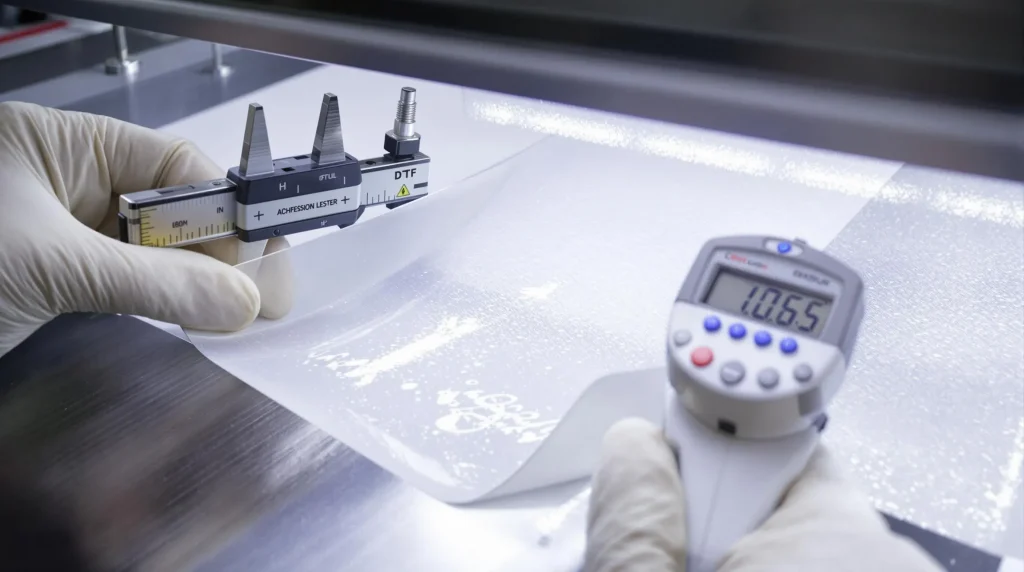
Quality control in DTF transfers is the backbone of reliable, market-ready apparel, guiding every step from design to finished garment, and supporting brand credibility. By integrating DTF print quality checks into a structured workflow, teams can standardize color, adhesion, and texture across batches, enabling quick identification of defects before they escalate and ensuring consistent results across multiple product lines. This approach supports consistency that leads to reliable post-press performance, better color fidelity, and fewer returns, while also providing a clear basis for training, coaching, and ongoing process improvement across teams. A comprehensive QC plan begins with pre-press evaluations, continues with calibrated color management, and ends with controlled transfer parameters, backed by documented checklists and traceability that make audits straightforward and repeatable for future batches. Adopting these practices helps brands deliver long-lasting prints and maintain trust through repeatable, high-quality results, ultimately reducing waste, rework, and customer dissatisfaction, for manufacturers seeking scalable, quality-driven growth.
Quality Control in DTF Transfers: The Foundation for Durable, Market-Ready Prints
Quality control in DTF transfers is the backbone that transforms vibrant designs into durable, market-ready apparel. While DTF technology enables bright colors and a soft hand across many fabrics, the real value comes from a robust QC process that catches issues before they reach customers. Without QC, even visually striking prints can fade, crack, or peel after a few wash cycles.
A well-structured QC program standardizes output, reduces returns, and builds customer trust. It encompasses the entire production journey—from pre-press substrate checks to post-press durability testing—and creates a loop of continuous improvement. By treating QC as an integral part of DTF transfers, businesses consistently deliver long-lasting prints that meet daily wear and laundering demands.
A Four-Stage QC Framework for DTF Transfers: Pre-Press, Print, Transfer, and Post-Press
The four-stage QC framework aligns everyone on the same quality expectations. Pre-press and substrate QC ensure fabric choice, pre-treatment status, and moisture management set the stage for reliable adhesion and image fidelity. This early focus helps prevent color shifts and bonding problems down the line.
Printer QC and color management safeguard accuracy and consistency through calibrated profiles, clean print heads, and careful test swatch evaluation. Transfer QC checks uniform adhesive powder, precise temperature, dwell time, and pressure, while post-press QC verifies final appearance and file traceability. Together, these stages create a robust loop of checks that support continuous improvement.
DTF Print Quality Checks: Ensuring Color Accuracy, Edge Clarity, and Adhesion
DTF print quality checks focus on color fidelity, edge sharpness, and reliable adhesion. Using calibrated color management tools like ICC profiles and colorimeters helps confirm hue, saturation, and brightness remain within tolerance from proof to production.
Edge quality and registration are critical for a professional look. Regularly inspecting alignment against garment seams prevents misregistration, while adhesion testing confirms the film bonds securely to the substrate. A smooth surface free of plasticky residues also signals proper ink-film formation and proper curing.
Durability Testing for Long-Lasting Prints in DTF Transfers
Durability testing is where DTF transfers prove their value for long-lasting prints. This testing evaluates how prints withstand laundering, abrasion, and environmental exposure, shaping expectations for wear and tear over time.
Key tests include wash-fastness cycles, controlled abrasion, and light stability assessments. Cold-crack and flex resistance further reveal how prints perform at fold lines and seams. These durability checks help ensure that the finished product remains vibrant and bonded after real-world use.
Best Practices to Achieve Consistent DTF Printing Results
Adopting DTF printing best practices starts with standardized operating procedures that cover pre-press, print, transfer, and post-press steps. Consistency across runs reduces variability and improves predictability in output.
Batch QC logs, disciplined color management, and careful substrate/adhesive selection are essential. Training and knowledge sharing ensure staff recognize defects early, while thorough documentation of defects and corrective actions supports ongoing process improvement.
Common QC Issues in DTF Transfers and Practical Troubleshooting
Despite best efforts, issues like fading colors, peeling, white specks, or ghosting can arise. These symptoms often trace back to curing, adhesive bonding, or misregistration, highlighting the need for a proactive QC mindset.
Effective troubleshooting emphasizes early verification and corrective actions: revisit heat/time settings, confirm adhesive quality, ensure powder coverage uniformity, and verify alignment during printing and transfer. Documenting defects and root causes supports preventive measures and reduces recurrence over future runs.
Frequently Asked Questions
What is quality control in DTF transfers and how does it drive long-lasting prints?
Quality control in DTF transfers is the structured, repeatable process of checking color accuracy, adhesion, and print integrity from pre-press to post-press. Implementing QC helps catch defects early, standardize output, and greatly improve the likelihood that prints stay vibrant and durable through laundering and wear.
What are the essential DTF print quality checks you should perform to ensure color accuracy and adhesion?
DTF print quality checks should include printer calibration with ICC profiles, clean print heads, and test swatches to verify resolution, color gamut, and edge clarity before full production. Also confirm ink and film consistency to minimize batch-to-batch variations.
How does DTF durability testing support producing long-lasting prints, and what tests do you recommend?
DTF durability testing verifies that prints remain vibrant and bonded after laundering and daily wear. Recommended tests include wash-fastness cycles, controlled abrasion wear tests, light stability (UV exposure), and flex resistance to simulate real-life use.
What are the DTF printing best practices you should follow to strengthen quality control in DTF transfers?
Follow a formal QC framework with SOPs for pre-press, print, transfer, and post-press to reduce variability. Key practices include standardized color management, batch QC logs, substrate/adhesive optimization, and ongoing team training.
Which issues are most often caught by DTF print quality checks, and how should you troubleshoot them?
Common issues include fading colors, peeling, white specks, ghosting, and texture discomfort. Troubleshoot by reviewing curing time and temperature, adhesive compatibility, powder coverage, alignment, and post-press settings.
How should you document QC results to maintain consistent DTF transfers quality control and ensure long-lasting prints?
Document batch results with defect types, measurements, pass/fail outcomes, and corrective actions to enable traceability and continuous improvement. Use objective tools (colorimetry) alongside visual inspections to support decisions and ensure long-lasting prints.
| Aspect | Key Points |
|---|---|
| Overview | DTF transfers offer vibrant colors, a soft hand, and broad fabric compatibility; quality control (QC) is essential for durable, market-ready prints. Without QC, prints can wash out, crack, or peel after use. QC establishes consistency and reduces returns. |
| DTF Printing & QC Focus | DTF printing involves printing on film, applying adhesive, and heat pressing. Potential failure points include color accuracy, adhesion, texture, and durability under laundering. A robust QC program catches defects early, standardizes output, and improves customer satisfaction. |
| QC Framework: 4 Stages |
|
| Key Quality Checks |
|
| Durability Testing |
|
| Best Practices |
|
| Common Issues |
|
| Case Study | A mid-sized apparel maker implemented a four-stage QC workflow focused on consistency and traceability, resulting in fewer post-sale complaints and more repeat orders due to more reliable, long-lasting prints. |
| Practical Takeaways |
|
Summary
Quality control in DTF transfers is essential for delivering durable, color-accurate prints that withstand laundering and daily wear. A structured QC program guides each stage—pre-press substrate checks, printer color management, transfer parameter control, and post-press durability testing—so outcomes are consistent across batches. By standardizing procedures, documenting results, and continuously improving processes, shops and manufacturers can reduce returns, improve customer satisfaction, and build reliable DTFT products that perform as expected in real-world use. Key takeaways include adhering to SOPs, using calibrated instruments for color and registration, and prioritizing durability testing early in development to catch issues before mass production.