
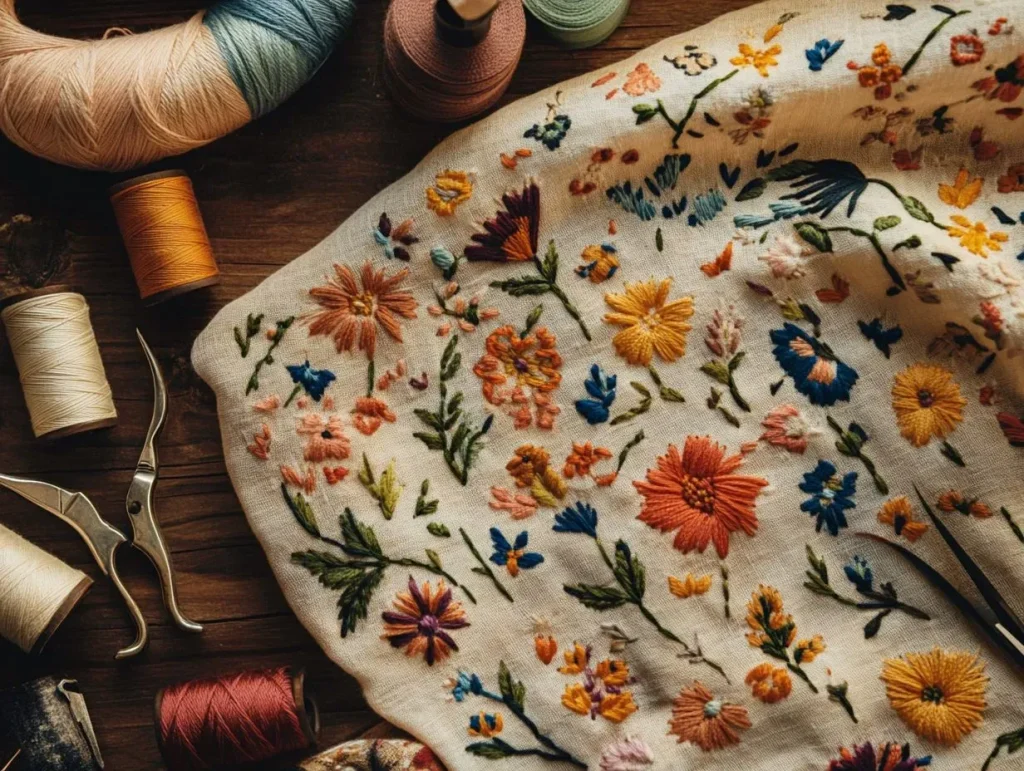
Sustainable Embroidery is more than a craft—it’s a philosophy that blends creativity with responsibility. By upcycling old clothes and adding embroidered details, you can extend the life of garments, reduce waste, and create one-of-a-kind pieces that reflect your personal style. This approach sits at the intersection of fashion and conservation, offering a practical path toward a more conscious wardrobe and DIY embroidery ideas for beginners alongside sustainable fashion. In this guide, you’ll discover why this practice matters, how to begin transforming garments, essential techniques for embroidered details, and a step-by-step project you can complete with items you already own. Whether you’re a seasoned stitcher or a curious beginner, you’ll gain ideas, inspiration, and practical steps toward building a stylish, eco-friendly wardrobe.
Think of this craft as ethical stitching and conscious crafting that turns old textiles into wearable art. By repurposing fabrics and adding hand-stitched embellishments, you create a refreshed look while honoring resources and embracing circular fashion. The approach supports eco-conscious sewing, slow fashion, and a mindset of repairing, repurposing, and customizing rather than discarding. For newcomers, it’s a practical path to personal expression through upcycled garments, thrifted finds, and simple techniques you can master at home.
Sustainable Embroidery: Crafting a Conscience-Driven Wardrobe
Sustainable Embroidery is more than a hobby; it’s a mindset that blends mindful creativity with responsibility. It champions a wardrobe built on intention, where upcycling old clothes and embroidered details become practical steps toward a lighter environmental footprint while amplifying personal style.
This approach sits at the crossroads of art and ethics, linking craft to sustainable fashion and an eco-friendly wardrobe. Each conscious stitch reinforces the idea that fashion can be both beautiful and durable, inviting you to explore how small, meaningful alterations can extend the life of your garments and reduce waste.
Upcycling Old Clothes with Embroidered Details for a Fresh Look
Upcycling old clothes with embroidered details is a powerful way to refresh a garment without buying new fabric. By adding motifs, patches, or decorative borders, you transform a worn piece into something revitalized, helping to minimize textile waste and support a more eco-friendly wardrobe.
Embroidered details offer a flexible canvas for expression, whether subtle accents or bold statements. This practice aligns with sustainable fashion by encouraging thoughtful development of pieces you already own, and it opens doors to DIY embroidery ideas that suit beginners and seasoned stitchers alike.
Choosing Fabrics, Tools, and Designs for Longevity in Upcycled Garments
Selecting the right fabric base is foundational to lasting embroidery. Look for garments with solid structure and surfaces that accept stitches well, such as denim, sturdy cotton, or linen blends, while avoiding fabrics with loose weaves that may snag or fray.
Plan your design to complement the garment’s lines and anticipate how it will wear and launder over time. Thoughtful choices—paired with quality threads and proper stabilizers—make embroidered details feel intentional, durable, and in harmony with a sustainable fashion ethos.
Essential Stitches and Techniques for DIY Embroidery Ideas
A practical starter set of stitches—running stitch, backstitch, satin stitch, split stitch, and French knot—empowers you to create varied texture and depth. These stitches are approachable for beginners while versatile enough for more complex DIY embroidery ideas.
As you design, combine stitches to build dimension: use satin stitches for petals, backstitch for clean outlines, and French knots for subtle focal points. Practice on scrap fabric first to maintain even tension and ensure the final embroidery enhances the garment without overpowering its silhouette.
Color Theory and Palette Strategies for an Eco-Friendly Wardrobe
A thoughtful color palette ties the garment together and supports an eco-friendly wardrobe. Choose hues that harmonize with the base fabric to create a cohesive look, while keeping in mind how washing and exposure to light may affect color longevity in a sustainable fashion framework.
Design ideas in a sustainable palette include floral accents along seams, geometric borders on cuffs or hems, patchwork panels, or monograms that personalize thrifted finds. These ideas—driven by DIY embroidery concepts—allow you to refresh items with a unified color story that fits an eco-conscious wardrobe.
Step-by-Step Pocket Upgrade: A Practical Guide to Sustainable Embroidery
This pocket upgrade project demonstrates how a simple surface can become a showcase for embroidered details. Start with a plain pocket or sleeve area, sketch a motif that complements the garment, and prepare the fabric for stitching to keep the surface taut and stable.
Proceed with a straightforward thread choice, outlining with a strong stitch like backstitch and filling shapes with satin stitch. Finish by washing and pressing carefully, then caring for the piece with gentle washing to preserve the embroidery and extend the life of your upcycled garment, reinforcing a practical path to a more eco-friendly wardrobe.
Frequently Asked Questions
What is Sustainable Embroidery and why is it important for upcycling old clothes?
Sustainable Embroidery is a craft philosophy that blends creativity with responsibility. By adding embroidered details to upcycled garments, you extend their life, reduce waste, and support sustainable fashion. This approach helps build an eco-friendly wardrobe that celebrates handmade craftsmanship.
How can I get started with Sustainable Embroidery when upcycling old clothes?
Begin with a suitable garment and a simple starter kit (hoop, embroidery floss, needles). Plan a motif that complements the piece and decide on placement (pocket, cuff, hem). Use DIY embroidery ideas for inspiration and keep the project approachable, contributing to an eco-friendly wardrobe.
What stitches are best for embroidered details in sustainable fashion projects?
essential stitches include running stitch, backstitch, satin stitch, split stitch, and French knot. These stitches create clear outlines, filled areas, and texture for embroidered details on upcycled fabrics, while remaining beginner-friendly and durable for a sustainable wardrobe.
How do I plan a sustainable embroidery design that fits my garment?
Choose a motif that complements the garment’s lines, plan thoughtful placement, and select a color palette that harmonizes with the base fabric. Consider fabric type and avoid high-stress zones. Well-planned embroidered details enhance the piece without overpowering its original character, aligning with sustainable fashion goals.
What are beginner-friendly DIY embroidery ideas for an eco-friendly wardrobe?
Try small projects like adding embroidery to a cuff, pocket, or collar; create patches, monograms, or simple floral/geometric motifs. Mix textures with different threads to produce unique details. These DIY embroidery ideas support an eco-friendly wardrobe by upcycling old clothes into personalized, lasting pieces.
How should I care for embroidered garments to maintain a durable eco-friendly wardrobe?
Handle with care: hand wash or use a gentle cycle with cold water and mild detergent; air dry flat; avoid direct heat on the embroidery; iron on the reverse side with a pressing cloth if needed. Proper care preserves sustainable embroidery and helps keep your eco-friendly wardrobe looking fresh.
| Aspect | Key Points |
|---|---|
| Definition and Purpose | Sustainable Embroidery is a philosophy that blends creativity with responsibility. Upcycling old clothes and adding embroidered details extends garment life, reduces waste, and yields unique pieces. It sits at the intersection of fashion and conservation, offering a practical path toward a more conscious wardrobe. |
| Why It Matters | The fashion industry has a large environmental footprint. Upcycling with embroidery counters waste, reduces the need for new fabrics, and supports handmade economies and mindful purchasing. Embroidered details mix artistry with practicality, transforming tired outfits into refreshed, personal pieces. |
| Getting Started: Upcycling Old Clothes | Choose garments that fit well, are structurally sound, and have a surface suitable for embroidery. Look for denim jackets, cotton shirts, and linen skirts. Avoid fabrics with loose weaves or delicate finishes. Starter kit essentials include: |
| Starter Kit (examples) | – Embroidery hoop or stabilizer to keep fabric taut – Embroidery floss or yarn in suitable colors – Needles appropriate for fabric weight – Scissors, chalk, or water-soluble pen for pattern transfer – A simple design you love – Optional: scraps of fabric for patches or texture |
| Design & Planning | Choose a motif (floral, geometric, or abstract) and plan placement (chest pocket, cuff, back yoke, or hem). Design should complement the garment’s lines without overpowering its character. |
| Techniques for Embroidered Details | Essential stitches: – Running stitch – Backstitch – Satin stitch – Split stitch – French knot Combine stitches to add depth and movement (e.g., satin for petals, backstitch for stems, French knots for centers). Maintain even tension to avoid puckering. |
| Design Ideas & Color Palette | palettes should suit the garment base color and fabric type. Soft neutrals for light fabrics; vibrant threads for darker bases. Ideas: floral accents on seams or pockets, geometric borders on cuffs or hems, patchwork panels, monograms, or mixed textures. |
| Step-by-Step Project: Embroidered Pocket Upgrade | 1) Select the garment and design. 2) Prep and transfer the pattern. 3) Thread and stitch with contrasting yet complementary colors. 4) Finish and wash. 5) Care tips: hand wash or gentle cycle, dry flat, low-heat ironing with a press cloth. |
| Practical Tips for Everyday Embroidery | – Start with small projects (a cuff, pocket, or collar) – Use scrap fabric for practice – Keep a simple color plan (2–5 colors) – Work in good light – Use an embroidery hoop to reduce distortion |
| Sustainability in Action: Long-Term Benefits | – Reduces textile waste by upcycling – Extends garment life with repairable embroidery – Encourages conscientious shopping and DIY ownership – Fosters a circular approach to clothing |
| Care & Longevity | – Hand wash or gentle cycle with cold water – Use mild detergent; avoid bleach – Air dry flat; avoid heavy embroidery strain – If ironing, use low heat with a cloth barrier – Store in a cool, dry place |