
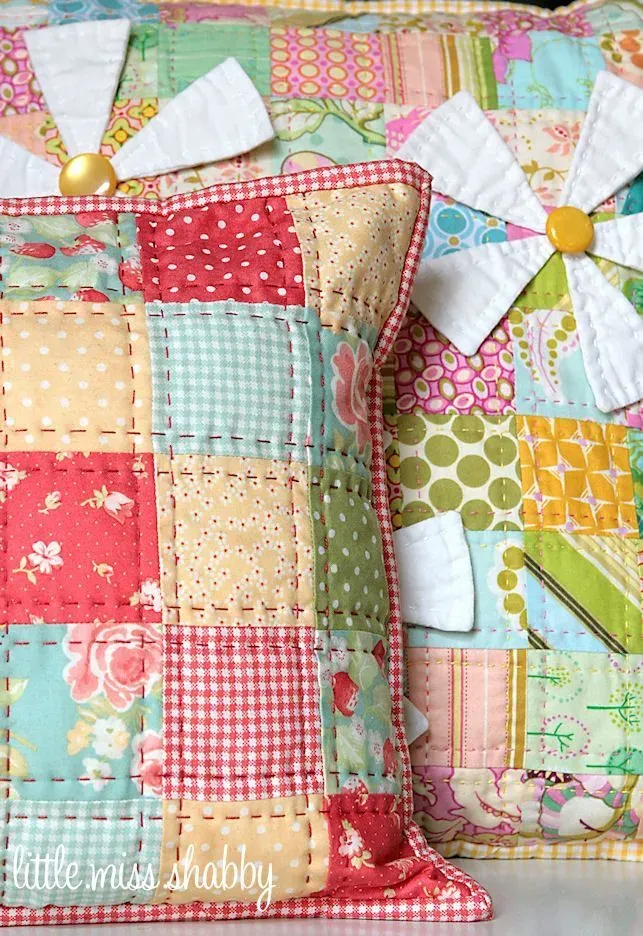
patchwork pillows and quilts offer a timeless blend of comfort, color, and craft. In modern homes, these textiles bring warmth and character, stitched together from fabric scraps. This guide explains how to choose fabrics, balance patterns, and finish edges for durable, inviting pieces. Whether you’re revamping a sofa, dressing a bed, or brightening a child’s room, the look is flexible and welcoming. For hands-on practice, start with simple projects that build confidence and skill.
Think of this style as a curated textile mosaic, where recovered fabrics become a narrative through color and texture. You can shape the look with quilts and other pieces, from decorative cushions to throws that layer warmth and personality. Looking for inspiration? patchwork decor ideas in galleries and design blogs show how blocks, panels, and color blocking create cohesion. DIY patchwork projects invite you to reclaim scraps, mix textures, and finish pieces with durable stitching. By blending traditional motifs with modern palettes, you’ll craft textiles that feel timeless and personal.
Patchwork pillows and quilts: Timeless Textiles for Modern Homes
Patchwork pillows and quilts add warmth, color, and texture to living spaces. These textiles blend comfort with craft, turning fabric scraps into a cohesive design story that fits traditional and contemporary interiors alike.
In addition to their aesthetic appeal, patchwork pillows and quilts offer practical flexibility for a room. They function as focal points, invite touch, and serve as entry points for patchwork decor ideas, especially when you start with a simple color story.
By choosing a few core prints and neutrals, you can create a balanced composition that feels deliberate rather than busy, making patchwork truly effortless in daily living.
Choosing Fabrics and Colors for Patchwork Decor Ideas
Begin with a unifying color family and layer in prints that share those tones. Pre-washed cottons and cotton blends reduce shrinkage, and swatch testing helps you see how pieces read in your room’s light.
Mixing small prints with larger motifs and solids creates visual rhythm. Consider scale variation and a few dominant colors that recur across your space to tie patchwork into the overall design.
This approach works for a range of projects—from patchwork pillows to patchwork quilts—supporting cohesive patchwork decor ideas across a room.
DIY Patchwork: Step-by-Step Techniques for Beginning Crafters
A beginner-friendly path starts with practical planning, simple layouts like nine-patch, and careful cutting. Embrace the concept of DIY patchwork by testing ideas on a design wall or a flat surface before stitching.
Sew seams accurately, press flat, and assemble blocks methodically. For speed, chain-piece rows of patches, then join them into a panel suitable for pillows or a mini quilt.
Finish with a neat back, consider invisible zippers or envelope closures, and pre-wash fabrics to minimize distortion when you wash the finished piece.
From Pillows to Throws: Making Handmade Patchwork Cushions and More
Pillows are a great entry point for patchwork decor ideas because they’re manageable in size and instantly show off color stories. With handmade patchwork cushions, you can experiment with patterns, textures, and edging like piping for a tailored look.
Beyond cushions, you can craft throws or wall panels that echo the patchwork theme throughout a room. Combining patchwork panels with solid back fabrics creates a modern statement while keeping comfort in view.
Close-up details such as piping, binding, or concealed zippers elevate the finish and increase durability for everyday use.
Sustainability and Sourcing: Thrifted Fabrics for Patchwork Projects
Thrift stores, old curtains, and preloved clothing are goldmines for patchwork projects. Sourcing scrap-worthy textiles aligns with patchwork decor ideas and reduces waste while giving new life to fabrics.
As you collect patches, sort by color family and check fabric durability. Natural fibers like cotton and linen wear well in patchwork cushions and quilts, supporting long-term use and comfort.
Store patches in labeled bins and plan projects around what you have to maximize reuse and minimize purchases, strengthening both style and sustainability.
Care, Maintenance, and Long-Lasting Patchwork Pieces
Look after patchwork pillows and quilts with gentle washing, cold water, and air drying when possible. Pre-washing fabrics helps stabilize colors and reduces shrinkage for future projects.
Inspect seams and batting periodically; re-quilt or re-stitch worn areas, rotate quilts to minimize sun fading, and store flat or rolled to prevent creases.
With regular care, handmade patchwork cushions and patchwork quilts can become heirloom pieces that carry a sense of history and craftsmanship, continuing to inspire future creators.
Frequently Asked Questions
What are patchwork pillows and quilts, and how do they fit into patchwork decor ideas?
Patchwork pillows and quilts are textiles created by stitching together small fabric pieces into a cohesive design. They align with patchwork decor ideas by introducing color, texture, and a storytelling element to a room, while remaining versatile, sustainable, and easy to incorporate on sofas, beds, or walls.
Which fabrics and color schemes work best for patchwork quilts and patchwork pillows?
Opt for cottons or cotton blends, preferably pre-washed to minimize shrinkage. Build a color story with 2–4 hues and mix bold prints with neutrals to keep balance in patchwork decor ideas, ensuring printed fabrics coordinate without overwhelming the space.
What are essential steps for a DIY patchwork project focused on patchwork pillows?
For DIY patchwork pillows: collect fabric scraps, plan a layout, cut pieces into uniform shapes, sew rows and press seams flat, assemble the front panel, and attach a back with an envelope closure or zipper. Finish with a clean edge for a polished handmade patchwork cushion.
How should I care for handmade patchwork cushions and patchwork quilts to keep them looking fresh?
Care with gentle washing on a cold cycle, and air dry when possible to preserve fabric texture. For quilts, consider pre-washing fabrics to reduce later distortion. Inspect seams and backing periodically and re-quilt any worn areas to extend the life of your handmade patchwork cushions and quilts.
What are smart ways to incorporate patchwork decor ideas with patchwork pillows and quilts in different rooms?
In living spaces, drape a patchwork quilt over a sofa or add a few patchwork pillows to create warmth without clutter. In bedrooms, let a quilt be the focal point, and in kids’ rooms, use bright patchwork cushions to foster playfulness while maintaining cohesive color stories.
What common mistakes should beginners avoid in patchwork projects, and how can they succeed with DIY patchwork and handmade patchwork cushions?
Avoid overmatching colors, uneven patch sizes, and neglecting scale. Plan a layout before stitching, pre-wash fabrics, and start with smaller projects like DIY patchwork pillows or cushions to build confidence before tackling larger patchwork quilts.
| Key Point | Overview |
|---|---|
| What are patchwork pillows and quilts? | Textiles created by stitching together small fabric pieces—often scraps—from other projects into larger designs; pillows provide quick accent-level impact, while quilts serve as statement bedding or throw pieces that anchor a room’s mood. |
| Why patchwork decor ideas are appealing | Sustainability through repurposing fabric scraps, added texture and depth, opportunities for personal storytelling, and high customization to fit any color palette or room style. |
| Materials at a glance: what you need to start | Fabrics (cottons or blends, pre-washed); batting or backing for quilts and pillows; thread; basic tools (rotary cutter, mat, ruler, sewing machine, hand sewing needle); notions (zippers, binding); optional fusible web, stabilizer, and a design wall. |
| Design philosophy: choosing fabrics and colors | Aim for balance. Start with a unifying color family or dominant color and mix in complementary hues. Use strategies like a color story, pattern mix, scale variation, and theme alignment to keep the patchwork cohesive. |
| Patchwork pillows: practical techniques | Layout planning, piecing with flat seams, finishing edges, and care steps (pre-wash, cleaning). Finish with an envelope or zipper closure; consider hidden zippers for a cleaner look. |
| Patchwork quilts: traditions and methods | Historical contexts (e.g., American crazy quilts, Kantha, sashiko); construction options (hand or machine sewing, applique); design motifs (log cabin, nine-patch, flying geese) and finishing touches like binding and choosing a backing. |
| Rooms and spaces to use patchwork decor | Living room: patchwork throws or pillows; Bedroom: a focal patchwork quilt; Nursery/kids’ rooms for playful patches; Entryways for welcoming color and texture. |
| DIY starter projects | Pillow covers, mini quilts or wall hangings, and decorative cushions with bold piping or contrasting backs; include basic steps to get started. |
| Sourcing and sustainability | Thrift stores and upcycling for patches; color scouting and matching dye lots; prefer natural fibers when possible; organized storage for future projects. |
| Care and maintenance | Gentle washing, cold cycles, air drying when possible; repairs and periodic re-quilting or re-binding as needed; display care to minimize sun fade. |
| Common mistakes and how to avoid them | Overmatching colors, uneven patch sizes, neglecting scale, skipping pre-wash; use templates, mix sizes, and introduce contrast. |
| Inspiration and where to find ideas | Online communities, showrooms, galleries, books and magazines offer ideas and tutorials for modern uses of patchwork pillows and quilts. |
Summary
Patchwork pillows and quilts blend history with contemporary taste, weaving warmth, texture, and storytelling into every room. By thoughtfully selecting fabrics, balancing colors and patterns, and applying solid construction methods, you can achieve decor that is both inviting and durable. This approach supports sustainable living by repurposing scraps and extending the life of textiles, while providing versatile pieces that adapt to any season or style. For readers exploring interior design, patchwork pillows and quilts offer approachable projects with lasting impact, whether adorning a sofa, bed, or wall. Embrace the craft, celebrate the scraps, and enjoy a home that looks curated, cozy, and uniquely yours.