
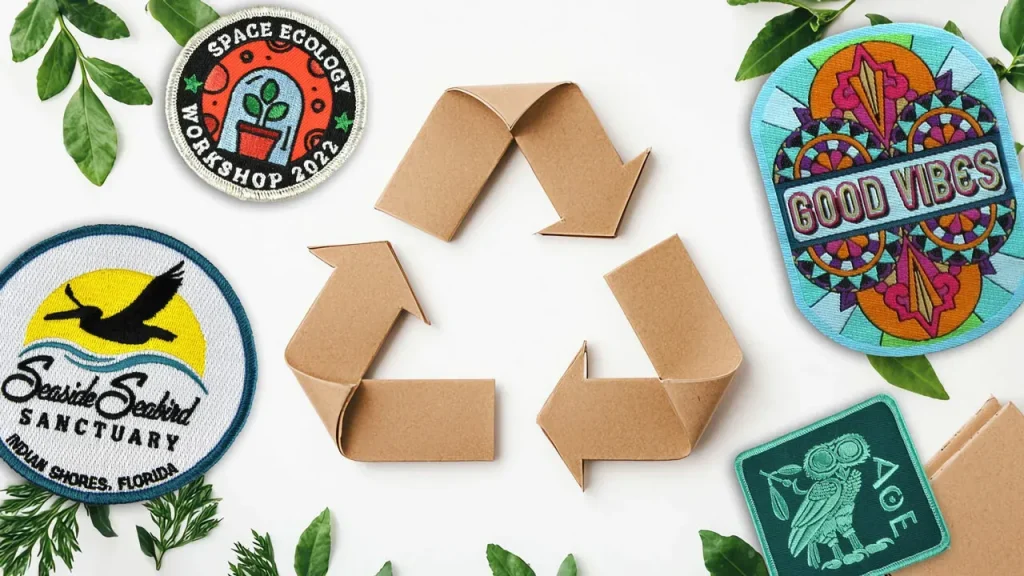
Sustainable patches start by turning worn fabrics into expressive, durable statements about how we care for the planet. They are not just decoration; they’re a practical way to extend the life of clothes, reduce waste, and save money. By choosing upcycle clothing patches, you can transform a tired jacket or jeans into something uniquely yours. With eco-friendly patches and other simple refinements, you blend creativity with responsible consumption. This mindset aligns with sustainable fashion repairs and invites everyone to participate in a kinder, more enduring approach to what we wear.
Think of this practice as repair-centered adornment rather than a simple fix. In a circular wardrobe philosophy, patchwork embellishments extend garments’ life while celebrating personal taste. DIY fashion patches and recycled fabric patches are commonly used to add color and texture, turning worn items into conversation starters. This approach fits within a green sewing ethic—upcycling fabrics, choosing durable materials, and embracing a culture of reuse. By reframing patches as creative accessories, you participate in a growing movement toward circular fashion and responsible textile reuse.
Upcycling Your Wardrobe with Upcycle Clothing Patches
In today’s fast-fashion landscape, upcycle clothing patches offer a practical, creative way to extend the life of your garments while expressing your personal style.
These patches are more than decoration; they’re a strategy for reducing textile waste and saving money. With DIY fashion patches, you can transform worn areas into focal points, learn basic sewing or ironing skills, and embrace a slower, more mindful approach to dressing.
Choosing Eco-Friendly Patches: Materials, Sourcing, and Ethics
Selecting eco-friendly patches means weighing durability, fabric type, and ethical sourcing as much as appearance. Eco-friendly patches are often made from sturdy fabrics designed to endure washes and everyday wear.
Look for patches that incorporate recycled content, organic materials, and transparent supply chains. Recycled fabric patches are a strong option for aligning with a broader goal of sustainable fashion repairs and a circular wardrobe.
DIY Fashion Patches: Design, Color, and Personal Style
DIY fashion patches empower you to design with intention, turning an ordinary jacket into a storytelling canvas with texture, color, and personality.
Plan palettes, mix fabrics like denim, canvas, and velvet, and layer patches to build depth. This creative process builds practical sewing skills and connects style choices to sustainable practices.
Recycled Fabric Patches: Waste to Wardrobe Gold
Recycled fabric patches demonstrate how waste can become wearable art, giving new life to scraps and remnants.
Incorporating recycled fabric patches into garments reduces landfill waste while adding resilience and character. Pair them with thoughtful placement to create durable, unique accents on jackets, bags, and jeans.
Sustainable Patches: A Cornerstone of Sustainable Fashion Repairs
Sustainable patches are a cornerstone of sustainable fashion repairs, helping garments live longer, resist wear, and avoid early disposal.
By choosing patches that come from upcycle clothing patches or recycled materials, you reinforce a circular economy—mend, reuse, and reimagine rather than replace. This approach makes fashion care a creative, value-driven habit.
Practical Techniques for Patch Attachment: Longevity and Washability
Practical techniques matter for durability. Whether you use iron-on patches, sew-on patches, or a mixed-method approach, finish the edges with a secure stitch to prevent fraying.
Care for patched garments by washing inside out, avoiding high heat, and inspecting patches regularly. With proper technique, patches stay vibrant and sturdy through many wears and washes.
Frequently Asked Questions
What are sustainable patches and why are they important for sustainable fashion repairs?
Sustainable patches are fabric pieces added to garments to repair wear and refresh a look. They support upcycle clothing patches, eco-friendly patches, and sustainable fashion repairs by extending garment life, reducing waste, and saving money, while allowing personal style to shine.
How should I choose eco-friendly patches for DIY fashion patches projects?
Choose patches made from recycled fabric patches or other sustainable materials, and check durability and attachment method (sew-on vs iron-on). Also consider supply chain transparency to ensure the patches align with sustainable fashion repairs and your values.
What’s the best way to attach sustainable patches—iron-on, sew-on, or mixed methods?
Both iron-on and sew-on patches work for sustainable patches. Iron-ons are convenient for quick positioning, while sew-ons tend to be more durable in items washed often. A mixed approach with extra stitching can enhance longevity for DIY fashion patches.
Which fabrics work best with recycled fabric patches?
Denim, canvas, and sturdy knits pair well with recycled fabric patches. For durability on heavier fabrics, choose patches made of cotton twill or denim; for delicate fabrics, opt for lighter patches and test adhesion first.
How can I design a cohesive look using DIY fashion patches on a jacket?
Plan a design with a cohesive color story and varying textures. Start with a main patch and add smaller patches to balance the layout, paying attention to placement near seams and wear points for both style and durability.
What common mistakes should I avoid with eco-friendly patches to support sustainable patches?
Avoid overloading the garment with patches, skipping pre-wash, and failing to finish edges. Choose eco-friendly patches that suit the fabric, secure edges with stitching, and test adhesion on a hidden area before full wear.
| Aspect | Key Points | Notes / Examples |
|---|---|---|
| Purpose & Environmental Impact | Extends garment life, reduces waste, enables personalization | From intro: upcycling, repair over disposal, circular fashion |
| What to Look For | Fabric type, attachment method, edges/finish, size & placement, sourcing | Denim/canvas durability; test iron-ons; finished edges; plan design |
| Benefits & DIY | Control color/texture, learn sewing, empower self-expression | Can apply to bags, caps, home textiles; empowers creativity |
| How to Apply | Plan design; prepare surface; attach; finish; care | Iron-on or sew-on; test area; wash gently; inspect edges after washing |
| Design Ideas | Thematic collections, color storytelling, mixed fabrics, small patches | Places to start: jacket sleeves, elbows, knees; layered looks |
| Sustainability & Repairs | Sourcing recycled/organic fabrics; fair supply chains; circular fashion repairs | Recycled fabric patches align with sustainability goals; supports circular economy |